What do you value?
I believe that this one question influences the majority of our decision-making every day. What drives us forward, what defines our goals and priorities, and how we treat not only ourselves but everything and everyone around us.
I also believe that this question is fraught with more issues than just about any other.
We spend our young lives looking for our identity, our place of belonging, and how we fit into the world around us. For some, it is a playful and easy process. For many, it is painful, confusing, and never-ending. But until we can settle on our own answer for this question, our lives will have little to align and direct us. Especially when our lives include horses, another being with their own inner lives and experiences.
This has been a tangled journey for me, to say the least. What has kept me going is the belief that there is a God who loves me as His creation. He knows everything about me and yet loves me because of who He is, not what I do. That’s one path. It’s still not easy because in many ways the question arises, “Why love me? I’m a mess.” But the answer seems to be, “My love isn’t based on you, it’s based on who I am and my nature: love.” I’ve spent a lot of time trying to wrap my head and heart around this, but in the end, I choose to accept love I don’t feel I deserve because God sees and understands what I don’t. The whole “something bigger than me” idea.
That being said, my value comes from just being me. That takes a lot of pressure off of me. But what if you find your value in status? Wealth? Image? Accomplishments? Being right? Being strong? I’m afraid you will never find your true value.
What if your value is based on what others want from you or for you? Dangerous ground, this. You have value if you do all the things for family and friends. You have value if you fulfill someone else’s vision for your life. You have value if you follow the family business. You have value if you make your boss a lot of money. If you are needed. If you are wanted.
Allowing your value to be in hands other than your own is a prison. You can never do enough to satiate the desires of others who are not doing the work you are doing for them. It becomes an endless cycle of more and more and more. And it feels awful, empty, and aching. You have given your very value to people who continually show that they don’t see your value. They are, instead, using you to increase themselves.
How does that idea sit with you? Does it make you sad? Angry? Depressed? Apathetic? Tired? All of the above?
You can FEEL in your bones that your value is outside of your reach, and you desperately work to raise that inner value with external choices. But it’s not the doing that will change any of this. It’s the being, noticing, appreciating, growing, asking, giving, and receiving.
How do I know this? Because our world is interconnected. When something goes missing, a fungus, a butterfly, an insect, the rest of the interactive world suffers. The fungus that is missing helps trees talk to each other. The butterfly may be the only pollinator for a specific flower or fruit. The insect could be the primary food source for a species of fish who are the primary food source for a specific bird, and so forth.
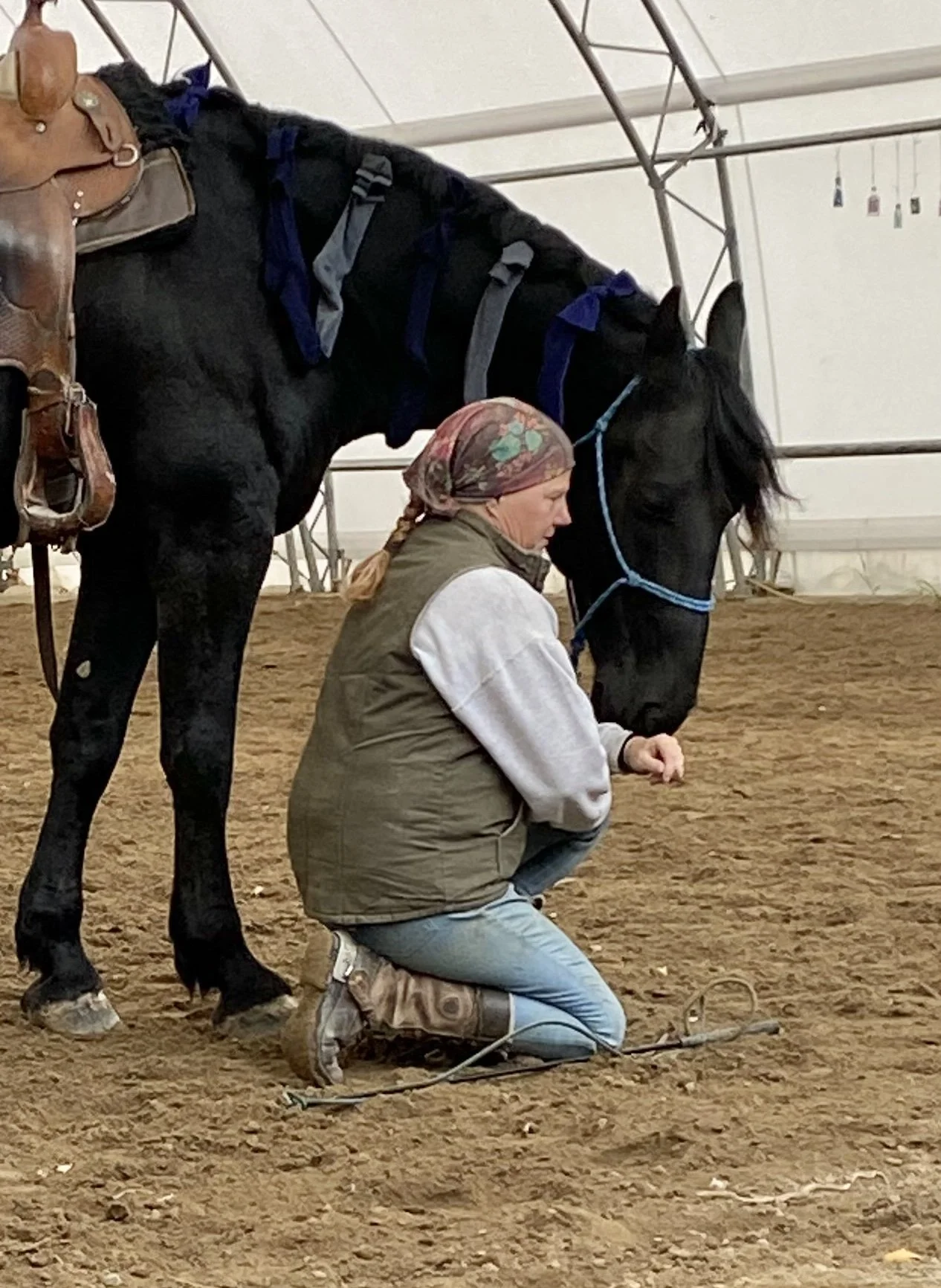
Now, how does this come to horses, which it does. Horses have value by existing. In natural settings, they are grazers helping manage grasslands, moorlands, and such. They are also a food source for large predators. They are social. They are expressive. They are beautiful, strong, elegant, noble, fast, and intelligent. In themselves. Without us.
So, what happens when we enter their lives? THAT is a huge question and deserves a 💩-ton of consideration. Like, sit down with a gallon of coffee level of consideration.
Horses have their own social orders, their own preferences, their own natural abilities, gifts, weaknesses, and experiences…they are already completely who they are without one iota of human interference. So what kind of influence would be appropriate for such noble and self-sufficient beings?
Respectful
Loving
Caring
Educated
Thoughtful
Healthy
Generous
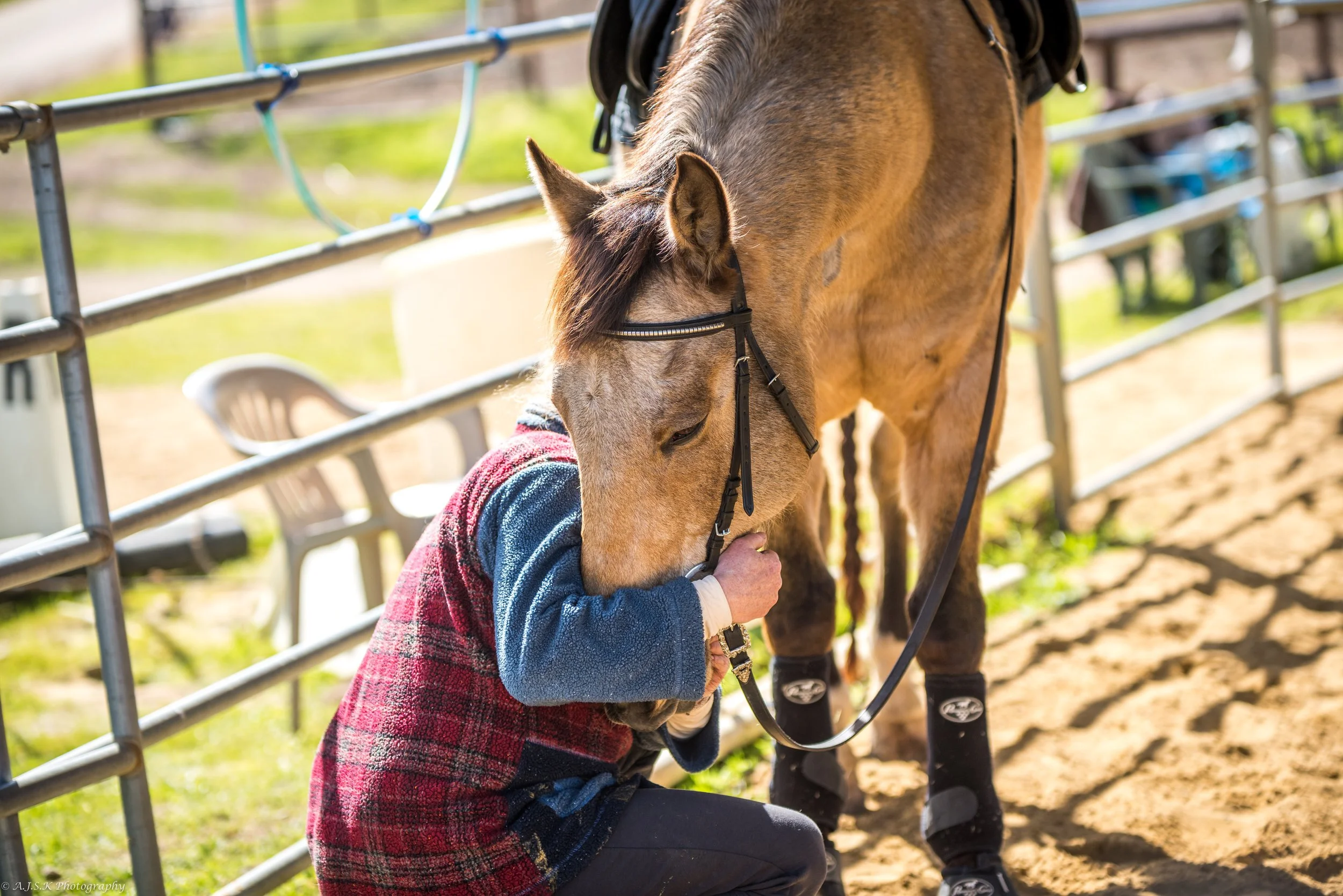
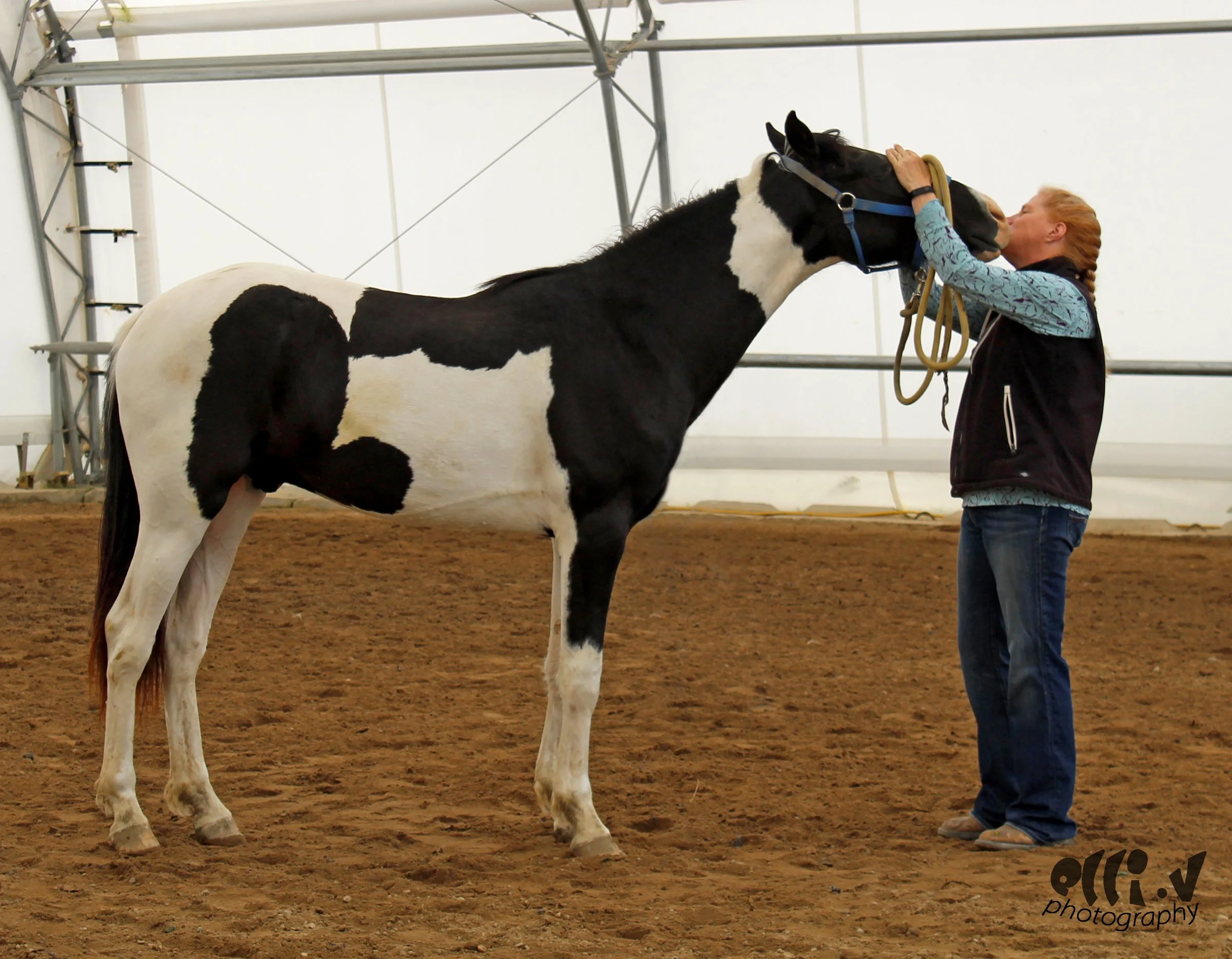
The choice is either realizing WHO the horse already IS and seeking to help them bloom in their unique way,
or
Using the horse to increase your own self-image.
“If you can’t be with the one you love, love the one your with”
In other words, if you are not happy being with a horse unless it has talent enough to be a champion (not for themselves because horses do not care one bit about winning), then it is about you, not the horse. Turn that into interactions with people. How would you feel if people only wanted to be around you if you are talented and make THEM look good instead of simply because of who you are?
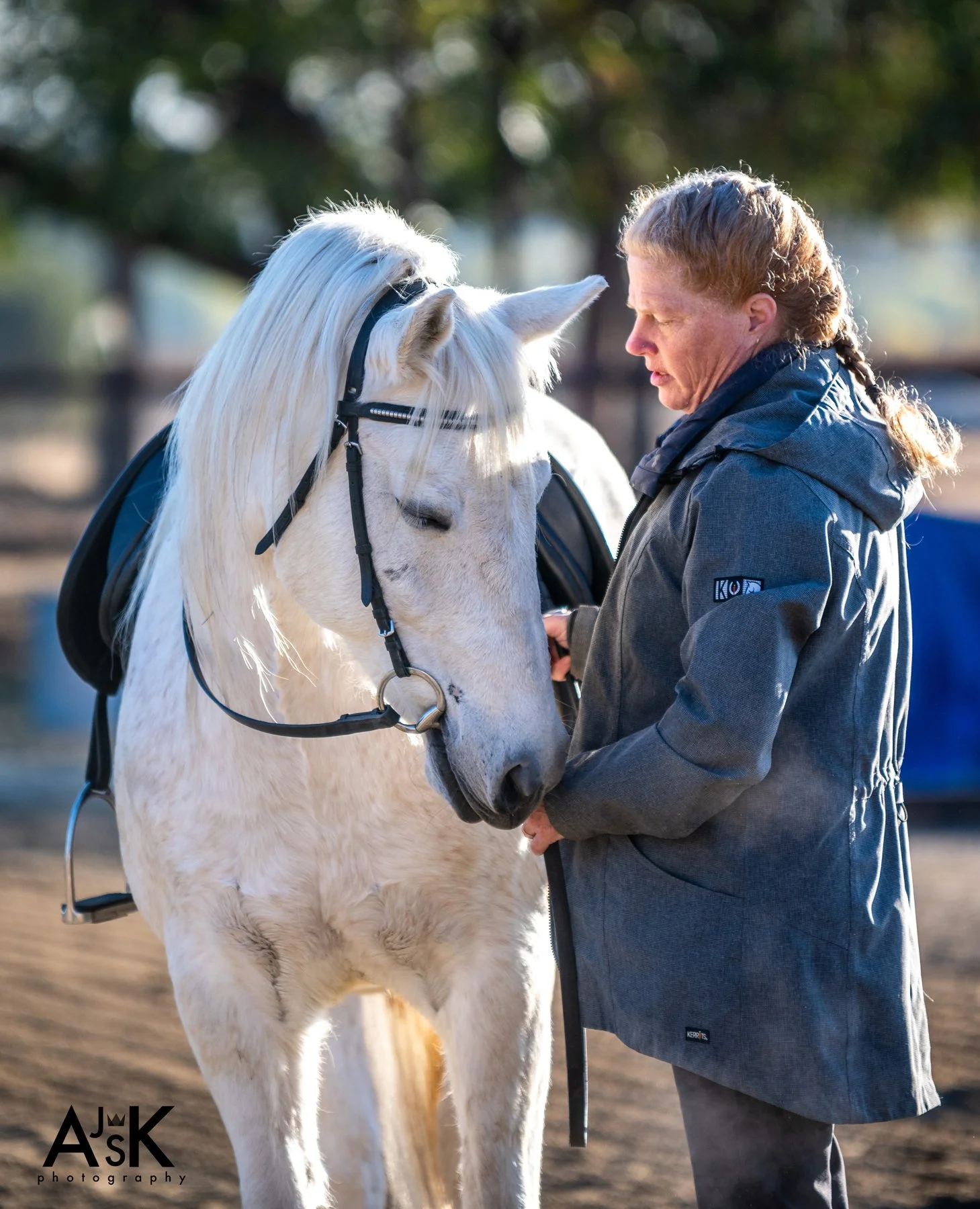
Isn’t it the only fair thing to love the horse you're with, regardless of their abilities? Isn’t that what we want from others? To be accepted, to be known, to be encouraged, and to be cared about. Then, given quality care, diet, exercise, and emotional stability…someone lovingly observing how you respond to these things and adjusting them accordingly. Because they want YOU to be healthy and content.
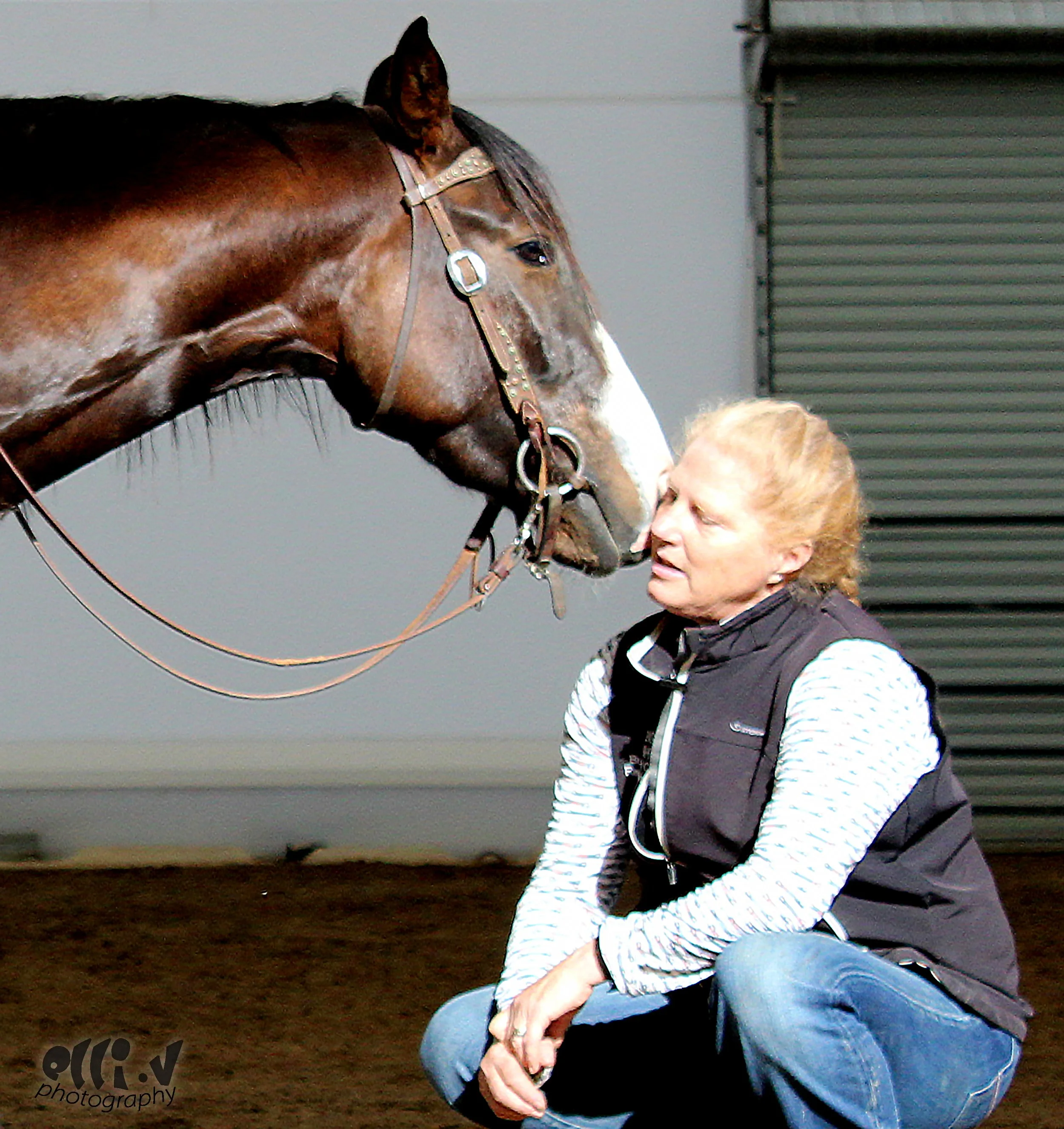
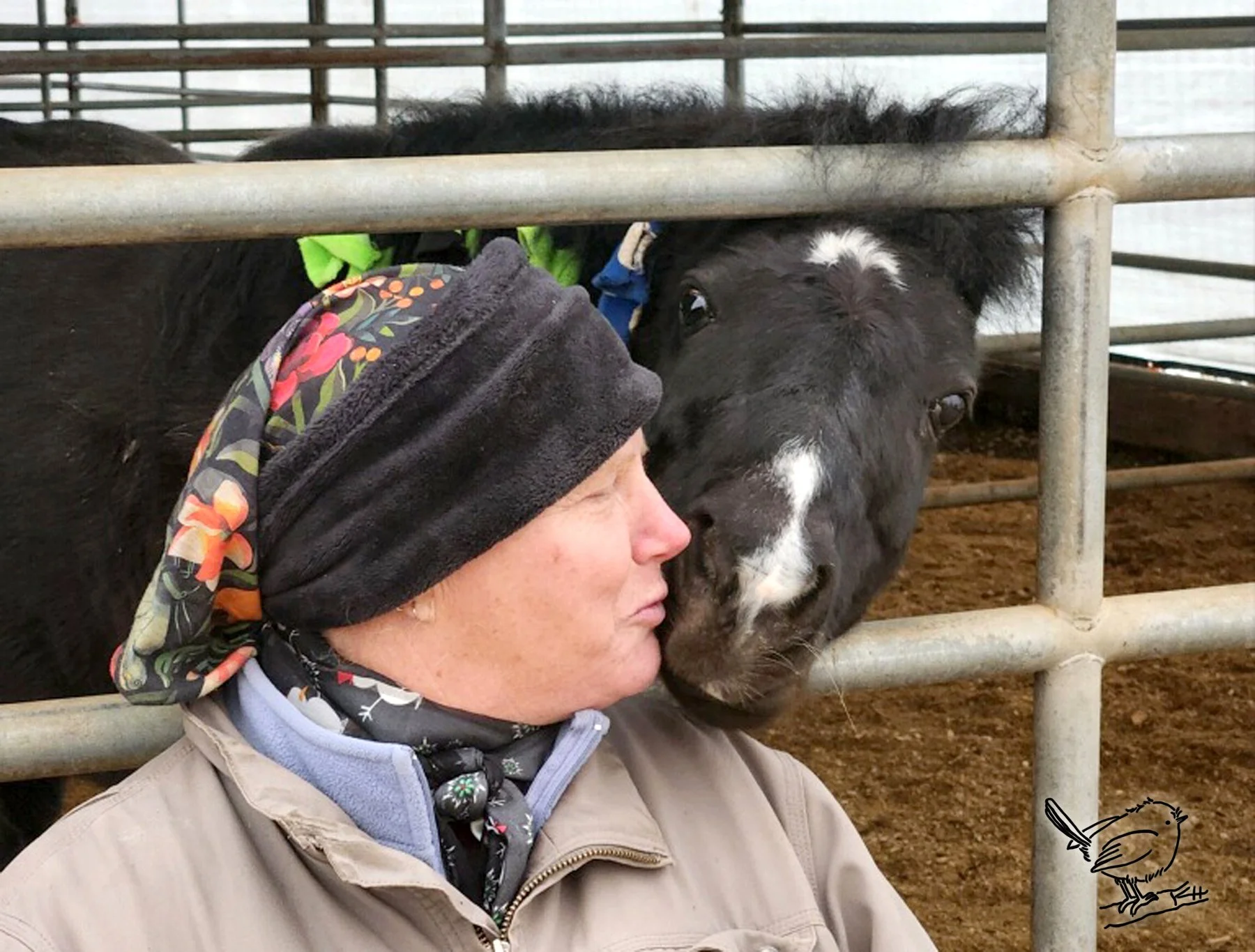
I’ve come to the place where the most fun I’m having isn’t necessarily with the most gifted horses. It’s with the horses who let me know them. Who have fun personalities. Who are cheeky, funny, shy, timid, opinionated, any number of attributes…they are THEMSELVES! And they are glorious.
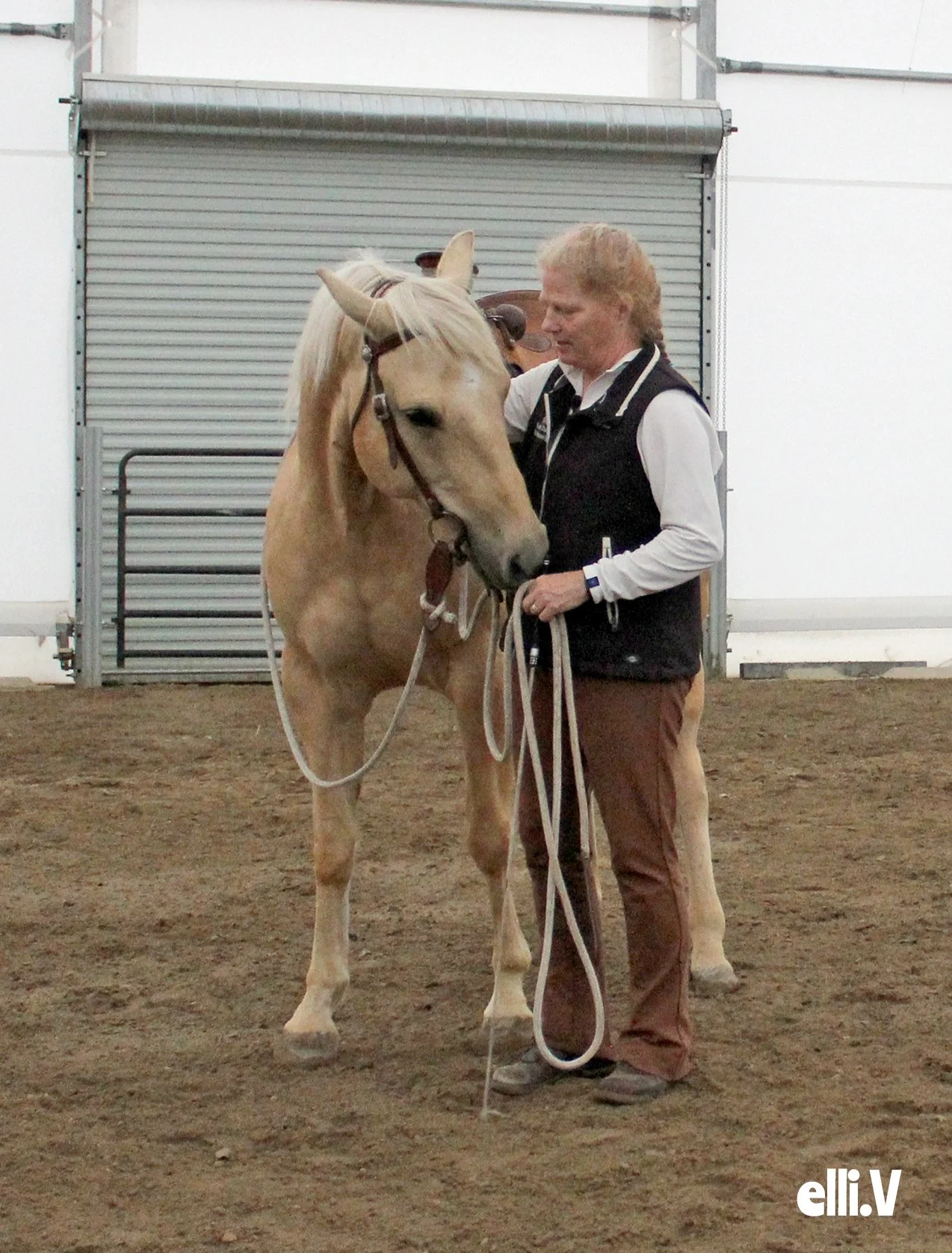
I bring education, a healthy diet, free time, social interaction, and exercise to the picture. I want the exercise to be of high quality to make the most of what the horse has to offer. Flexibility, alignment, mobility, strength, and balance are all in the mix. Cross-training for horses.
Then I check in frequently on their experience: are they content with what we are doing, or do they need a change? If they’re really strong, would it be good to add more flexibility? Do they need a break? These are questions we ask about someone or some-being we love.
Stepping into someone else's shoes—known as cognitive empathy or perspective-taking is widely considered one of the highest forms of intelligence. It requires moving beyond one's own ego to process complex emotional, social, and contextual data. To see any experience through someone or some-being’s eyes instead of only your own. Isn’t this what we should be seeking? The high road?
Well, I’m going to continue to do so, not only for my own joy but for the joy of those people and other beings around me. It is delightful to watch folks and ponies of all shapes and kinds grow to be a blooming, wondrous version of who they are.