Profound horsemanship…greater understanding
When I tell people that I am a horse trainer, they unfailingly ask me what I train horses for. Western, English, Dressage….what? I find it difficult to explain that training horses to do “things” is like sending a kid to school to learn how to play soccer and only soccer. He may become a great soccer player if he has the talent and ability, but he won’t be able to read or balance his checkbook. And such is the majority of horse training. Teaching horses to do things.
Doing things by rote requires little interaction or thinking. It’s just doing. Over and over again. Rote learning. How much do you and I love that? Not so much. Sometimes it is necessary so the horse (and perhaps the rider) doesn’t have to think about a given detail or skill, but if it’s the only approach to educating horses, you have your soccer-playing kid doing soccer drills until they are beaten into his head and body. He becomes a soccer machine, not a better human being. Oh, and let’s add that the kid never asked to play soccer or showed any interest in soccer. Let’s also add that his dad is an international soccer star, so it’s expected for him to be an international-level soccer star.
Sounding a lot like it would suck to be him. This is also a large part of the equestrian world today. Daddy was a fast horse who did fast things, so Baby will be a fast horse and do fast horse things. Daddy was a reiner, so Baby will be a reiner. Yes, there are genetic tendencies that support skills and talent through bloodlines. No denying. Also, no guarantees. Baby may not be content in that job even if Baby is exceptionally skilled. It’s also important to realize that Baby should not have the entirety of his education limited to one activity or sport. Like our aforementioned soccer kid.
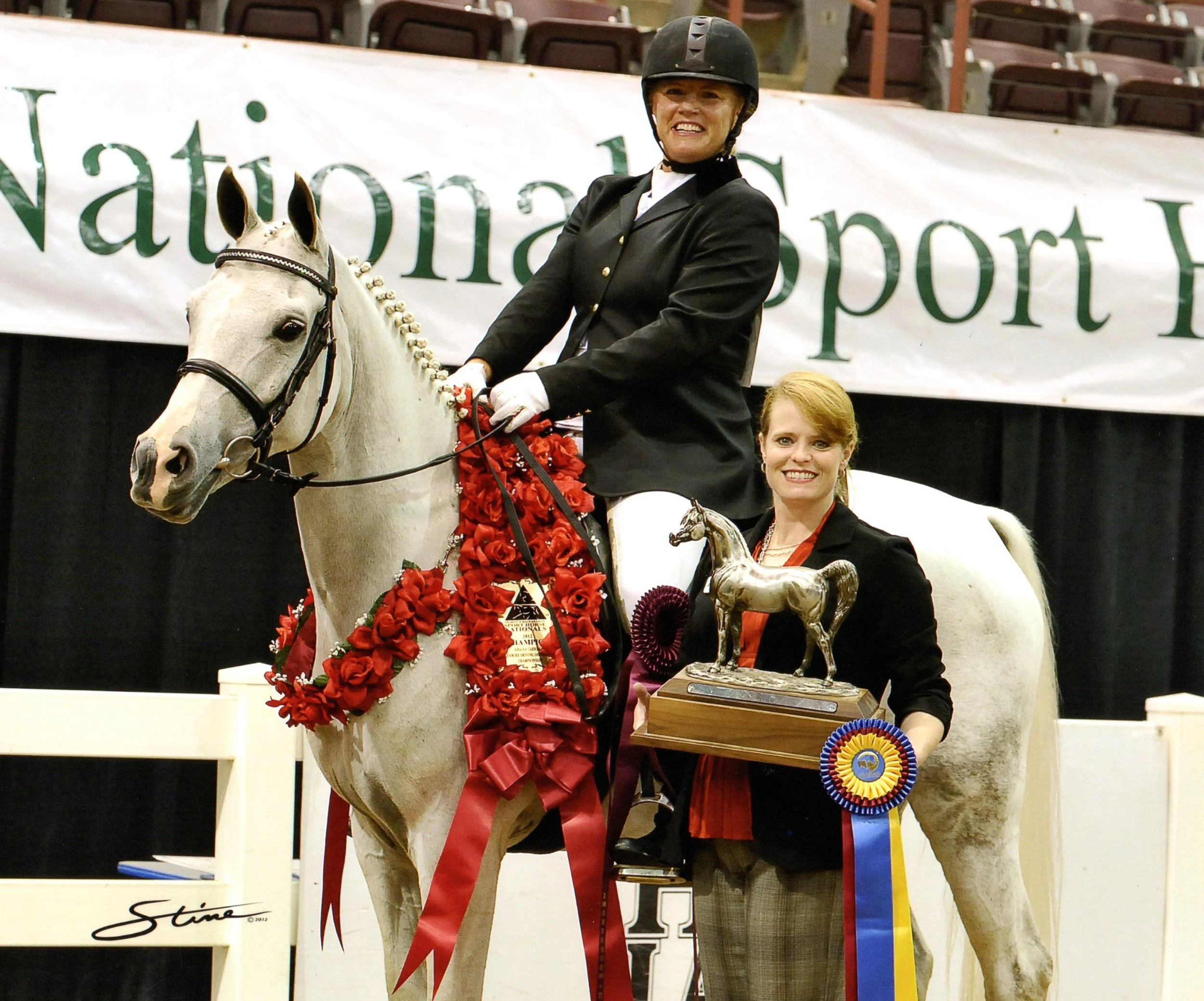
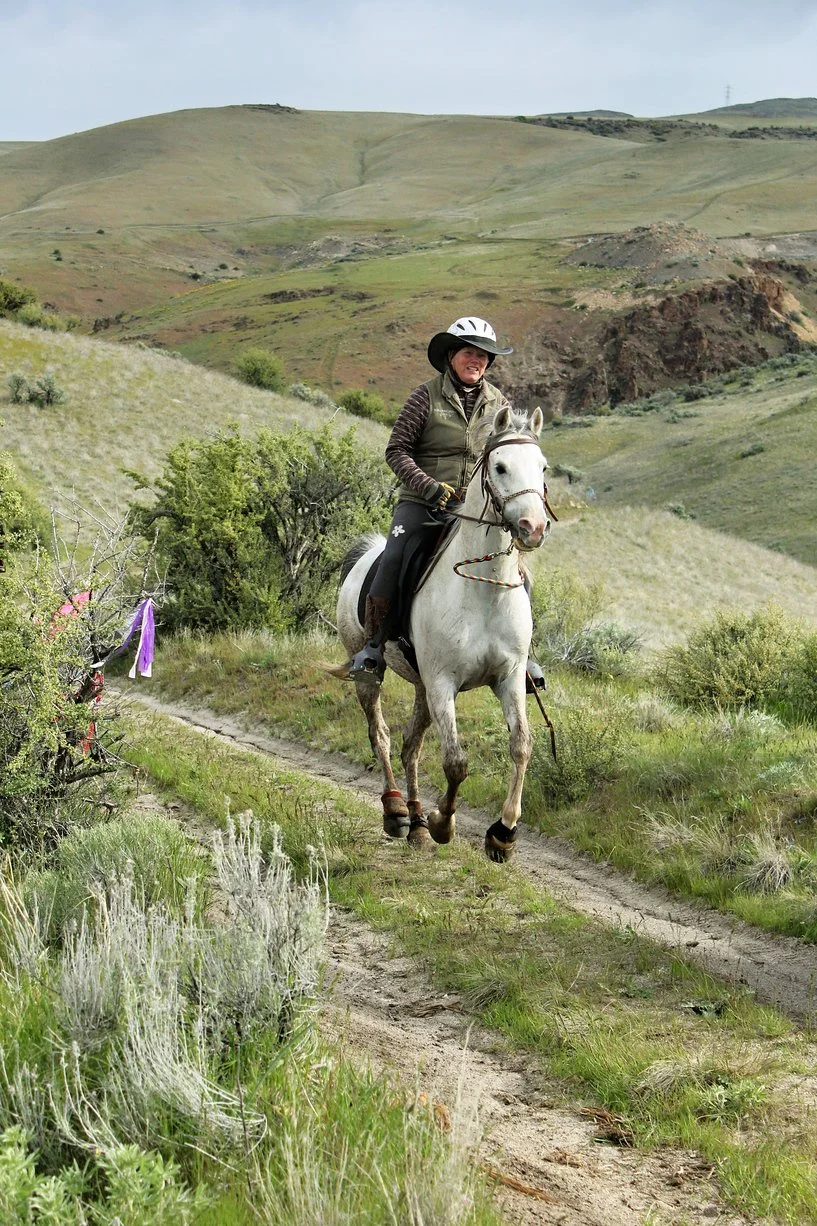
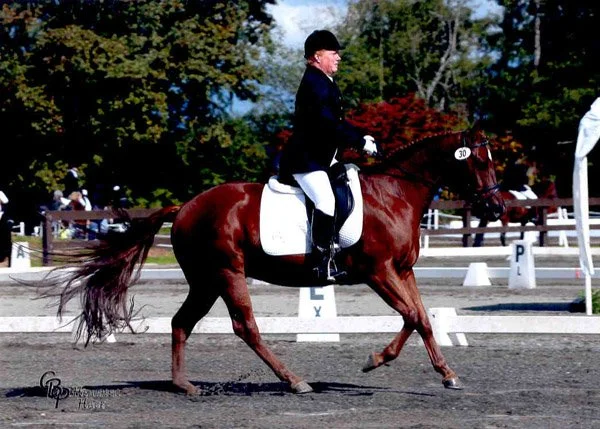
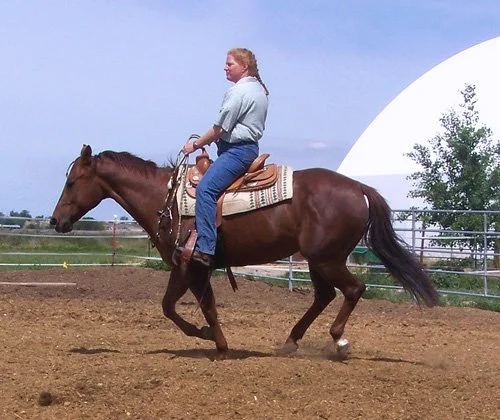
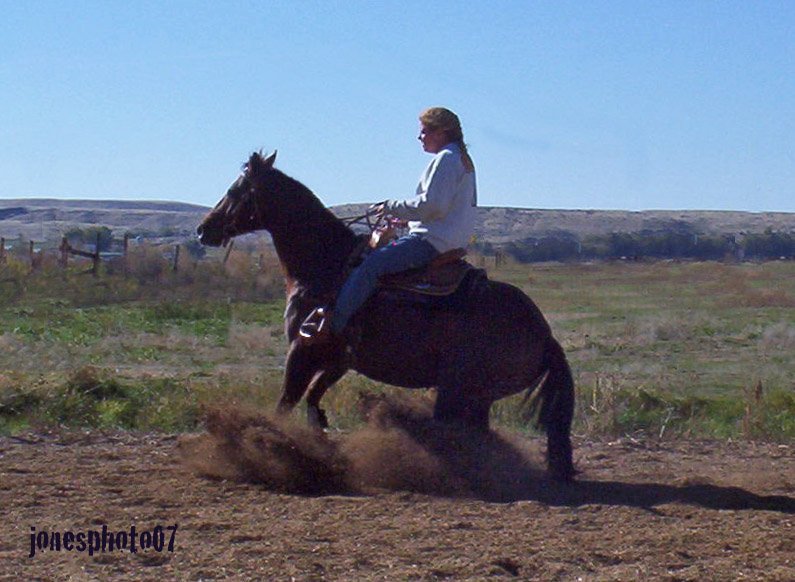
As I mentioned at the top, we see this over and over again in the business of “training” horses. He’s a western pleasure trainer, she’s a working equitation coach, he does cutting horses, she’s a top dressage rider. Colt starter, problem horse trainer, mule trainer, hunter jumper trainer, driving trainer, horsemanship trainer, liberty trainer, this trainer, that trainer. Thus, their horses follow in what those trainers and riders know and do. The horses do one thing, maybe one other for “cross-training.” (I’ve frequently seen the cross-training done by a separate trainer, so that says something right there). But little else to stretch their minds, their emotions, their bodies, and their being. Varied activities provide interest, use of new muscles and balance, and a break from the daily grind. Not just once a week or twice a month, but regular, interesting, unique activities woven into their program.
I’m not talking either about substandard education of horses who muck about doing many things while doing none of them well or with quality. That’s just second-rate work spread over more activities.
I’m talking about the kid who goes to an excellent school where he learns math, science, music, literature, language arts, and critical thinking. He learns how to learn. In between, he learns how to play and work with others. How to face frustration and not be overwhelmed by it. How to enter strange situations without great anxiety because he has been prepared. He learns he has a safe place to make mistakes, to try new things, and for his voice to be heard. He learns what questions to ask and where to look for the answers. He learns that teachers are working for him, for his lifelong benefit, physically, emotionally, and intellectually. He learns he is part of the process and can take that process as his own for the rest of his life.
And he learns how to play soccer if he wants to.
This leads me to my grand point: Where do we see profound horsemanship skills and the understanding that comes with?
The specialists are like a well: their experience may go deep, but it isn’t wide. It is often the “one thing” as the goal for horse after horse after horse. They thrive on one kind of horse for one kind of goal, and often the less gifted are sent home or written off as not talented enough, too sensitive, too lethargic… “It’s just the way they are,” it is said. Just like an elite soccer club. Or a gymnastics club. Or swim club. Or any place where the focus is very narrow.
I’m not saying that it is wrong. I’m just saying what it is out loud. These places do create champions; that’s their job. But what is the cost to the horse that didn’t ask to be a champion? Joint injections, heat therapy, cold therapy, massage, Bemer blankets, chiropractic, Legend, Adequan, X-rays, ultrasounds….just trying to keep them competing at high levels. They often live in housing limiting interaction with other horses, have very little say in their activities, are hauled for long distances, even on planes, constantly staying in new places, and are expected to be perfectly okay with it. Is the level of ulcers and stress habits (weaving, cribbing, pacing) in performance horses any surprise? The rate of ulcers in performance horses ranges from 60% to 90%, reaching 100% in elite racehorses and high-level equine athletes in heavy training regimens.
We treat horses for ulcers before they even have them because we know they likely will get them, while ignoring the most likely reason they are suffering from them in the first place. Horses do not have a choice in participation. So we, those horsemen who are asking them to compete or do some other activity, must ask ourselves, “How can I create for this horse the most stress-free environment possible?”
Kids have choices. Kids have a drive to be an elite athlete. Would you be okay with that soccer kid having ulcers? I wouldn’t!
Unlike a well, profound horsemanship is like a lake. It may not be as deep, but it is wide and has plenty of room to roam, explore, play, rest, and work. The skills that you learn in the shallows will take care of you in the deep, and the shores give you rest. On any given day, you could kayak, swim, play water polo, water ski, snorkel, scuba dive, sail, paddle board, explore little islands and inlets…what a rich tableau in which to learn and grow.
Right back at my original point: profound horsemanship - greater understanding.
A profound horsemanship is one where the horse and the horse’s well-being in all ways come first. People say it, but are they doing it? Do they have the understanding and the experience of a curriculum of education that, like our most excellent school for children, teaches our equine students how to think, how to learn? Do our horse students feel safe, like they can make mistakes? Do they get varied experiences to test their education in novel situations? Do they get time with friends in a social environment as much as is safe in the changing dynamic of a training situation? Do they get to experience new things in small yet growing ways before we expect them to be able to focus when it “counts”?
Are we, their teachers, listening to them and constantly building unique bridges of communication? Trying ways to connect to each horse, how the horse understands and can receive it…not simply throwing the standard approach at the horse and blaming the horse for not succeeding.
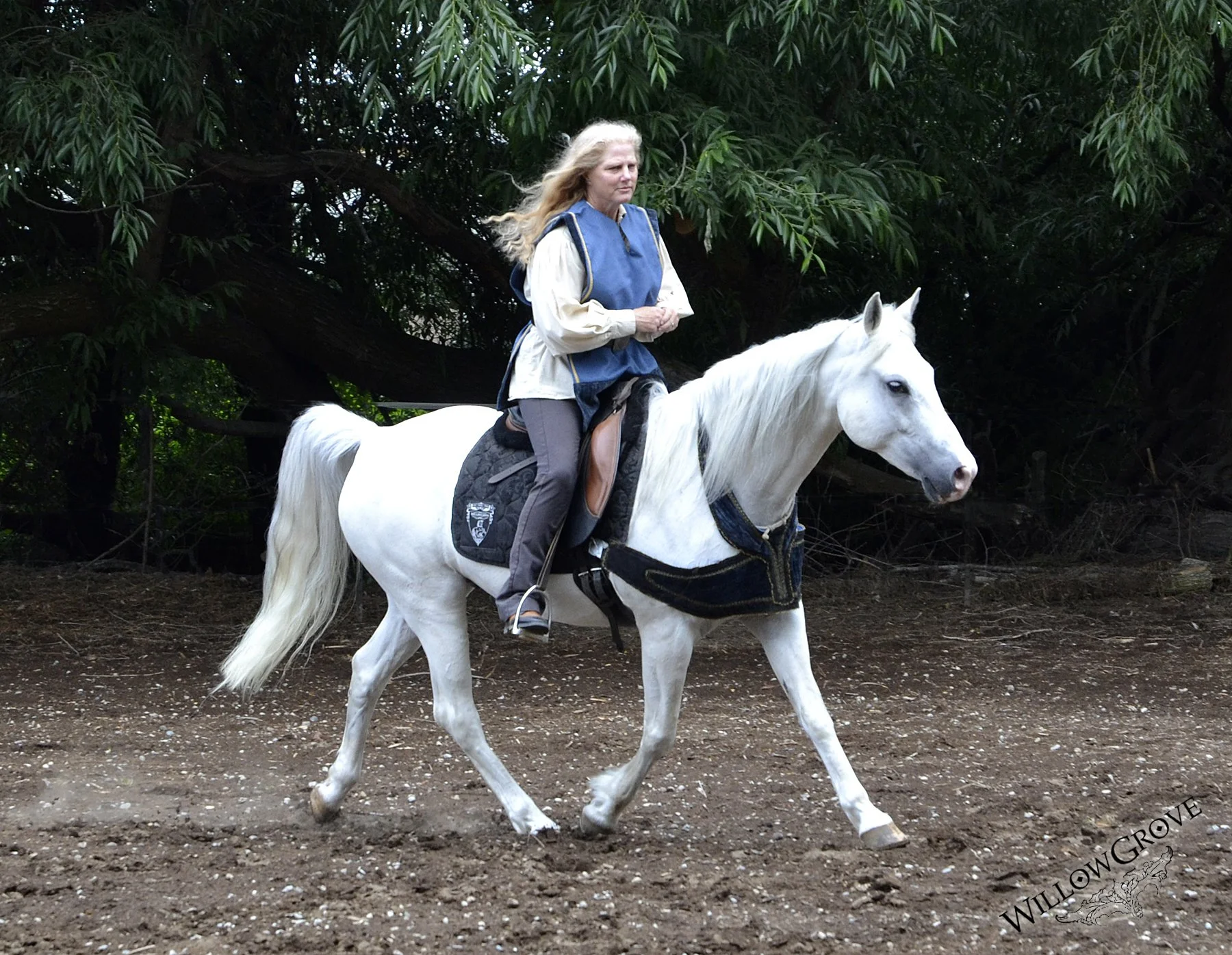
In real terms, all the horses here learn the basic program of groundwork, confidence building, language building, in-hand bit work, dressage in the French tradition, riding out, working in groups, liberty….with connection and clarity as the positive signal for advancing to the next unit. This is the foundation. Then we would approach the goal of carriage driving, for example.
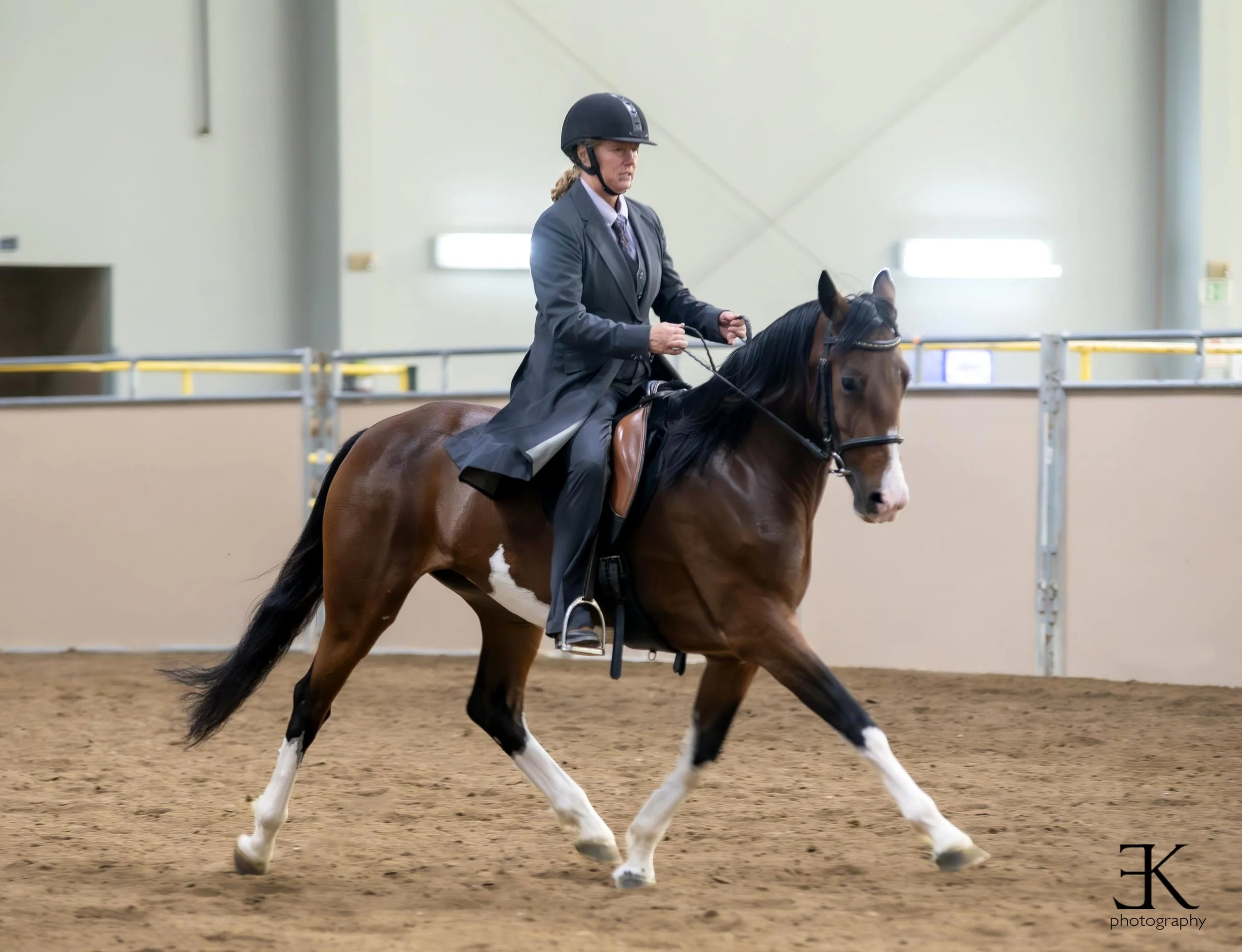
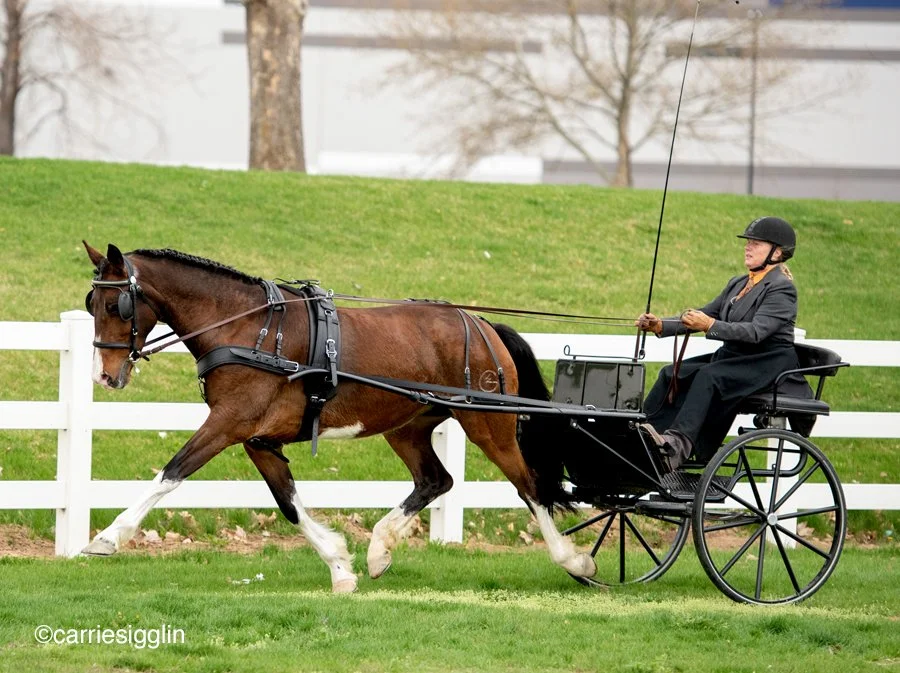
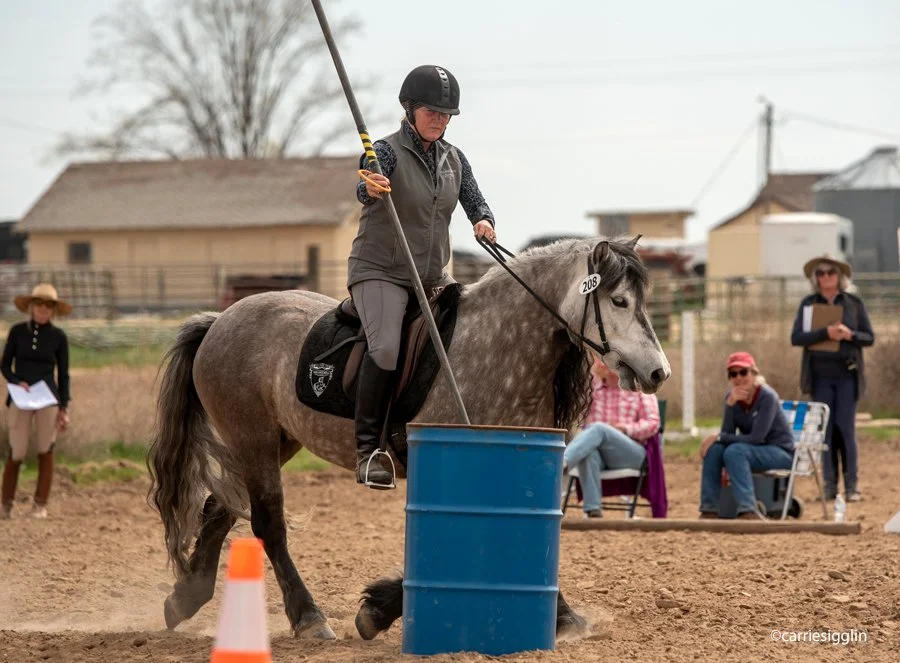
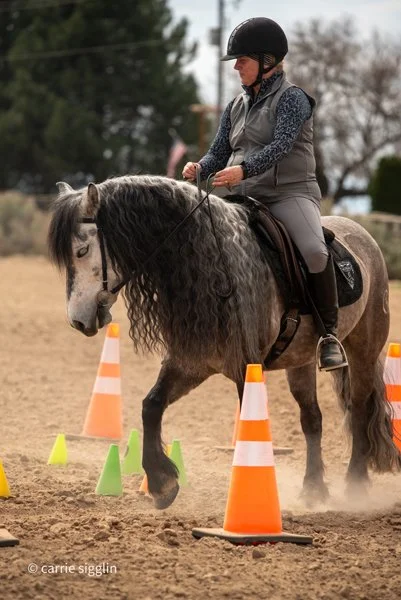
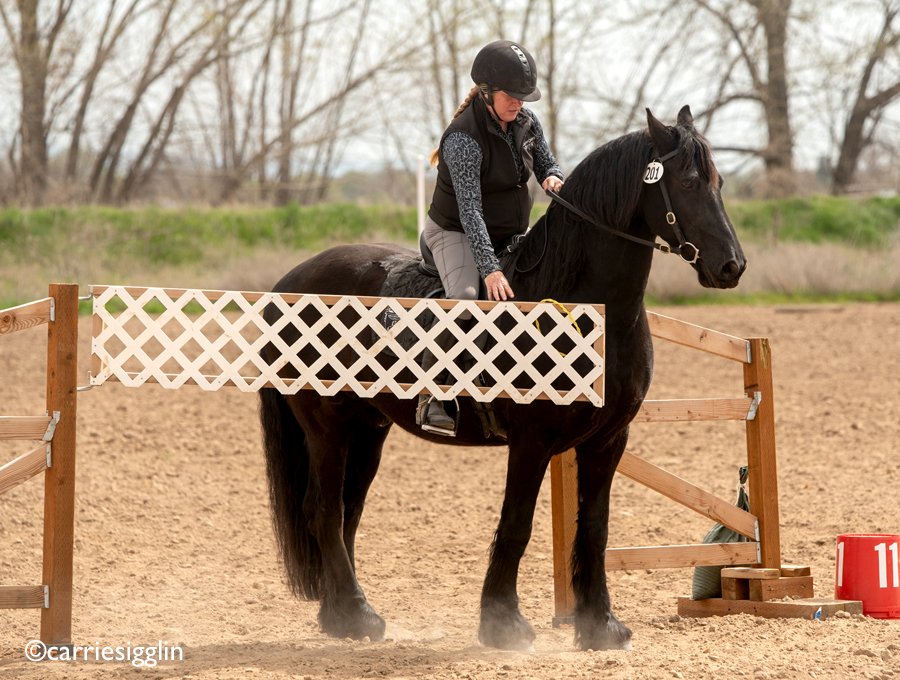
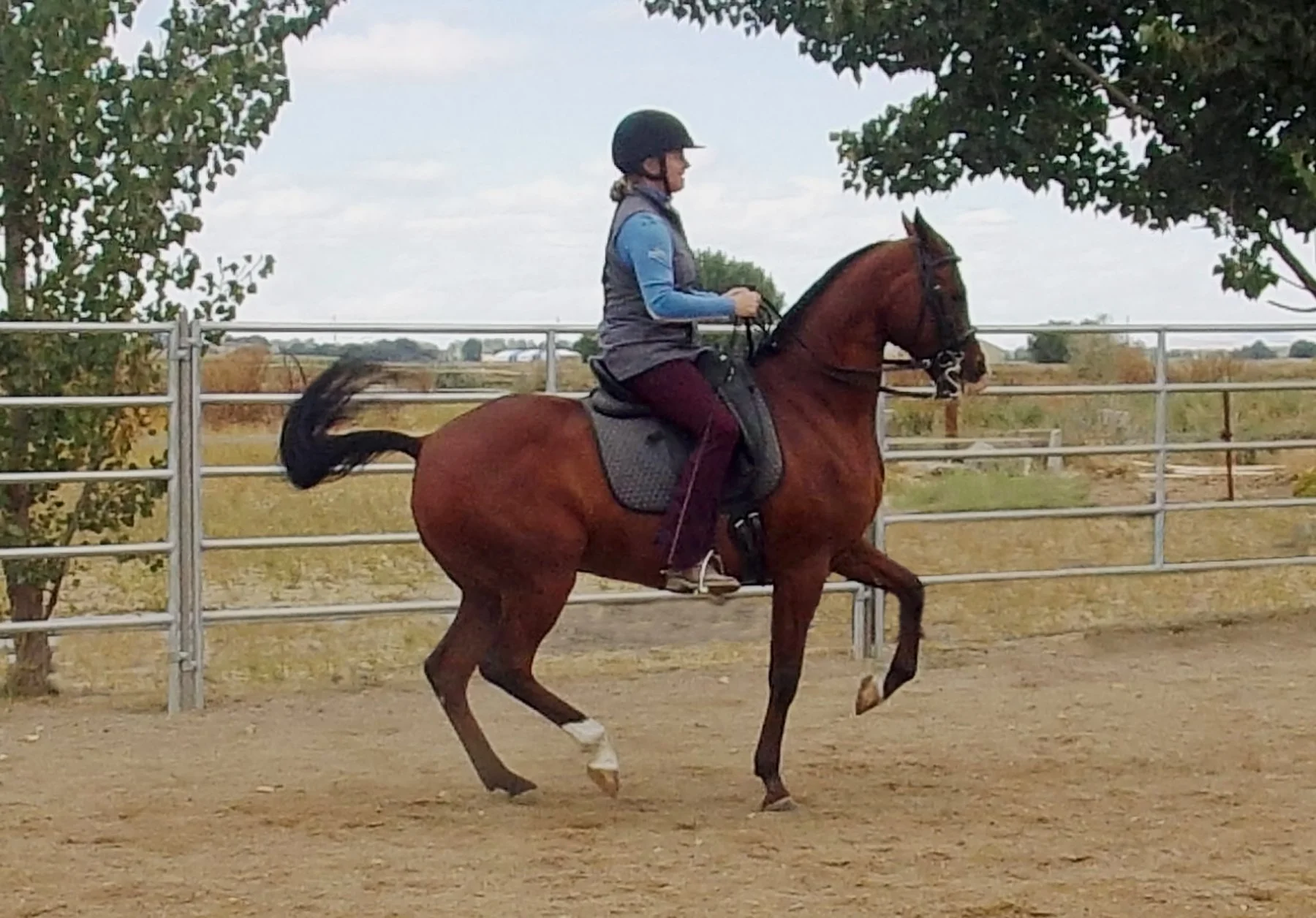
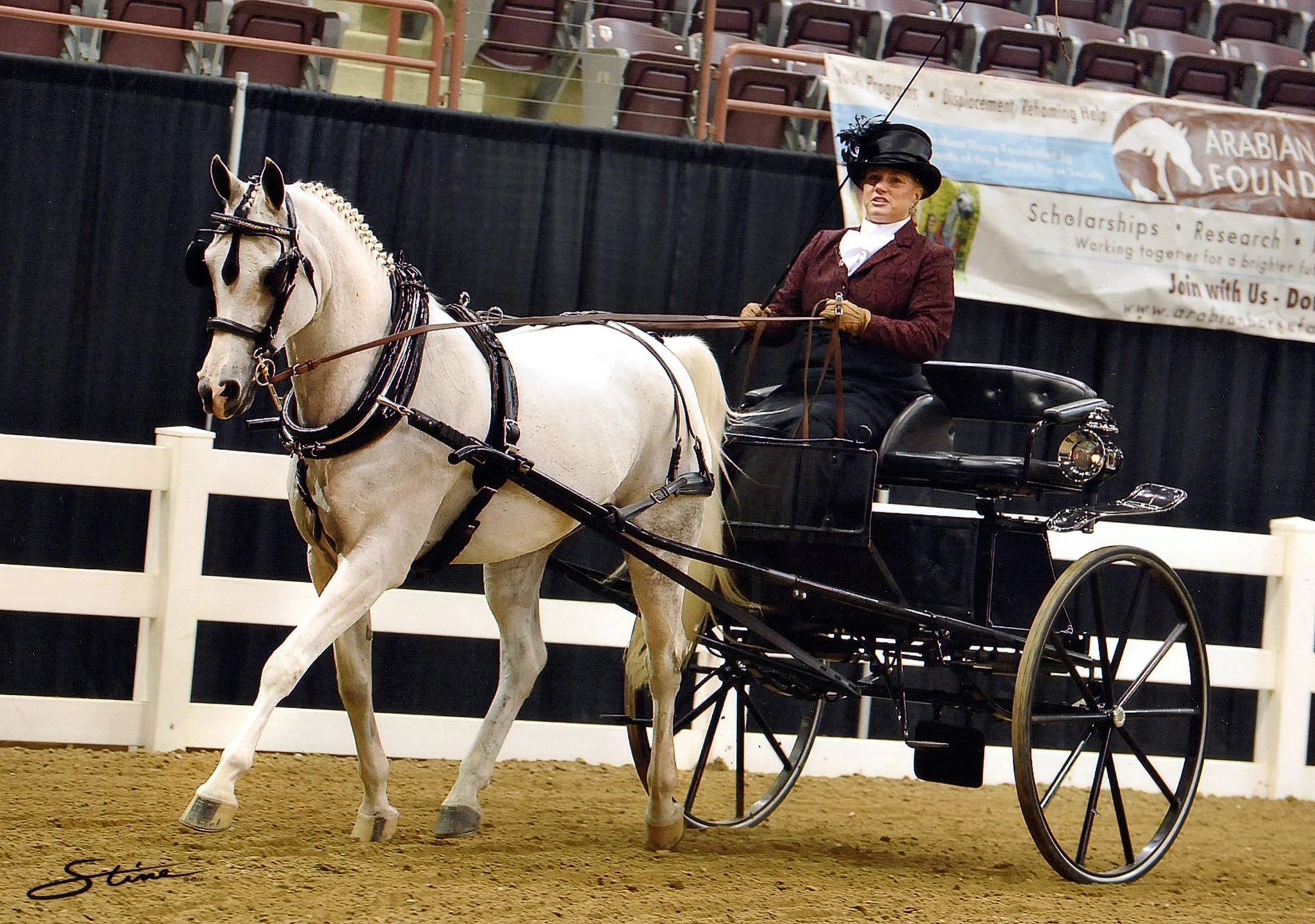
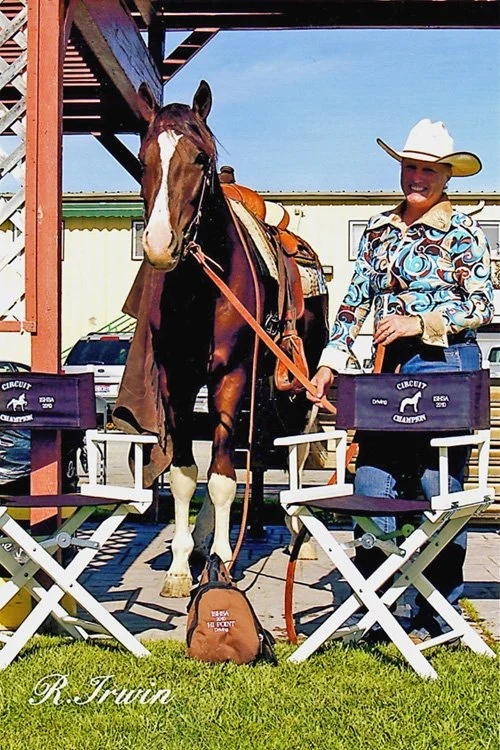
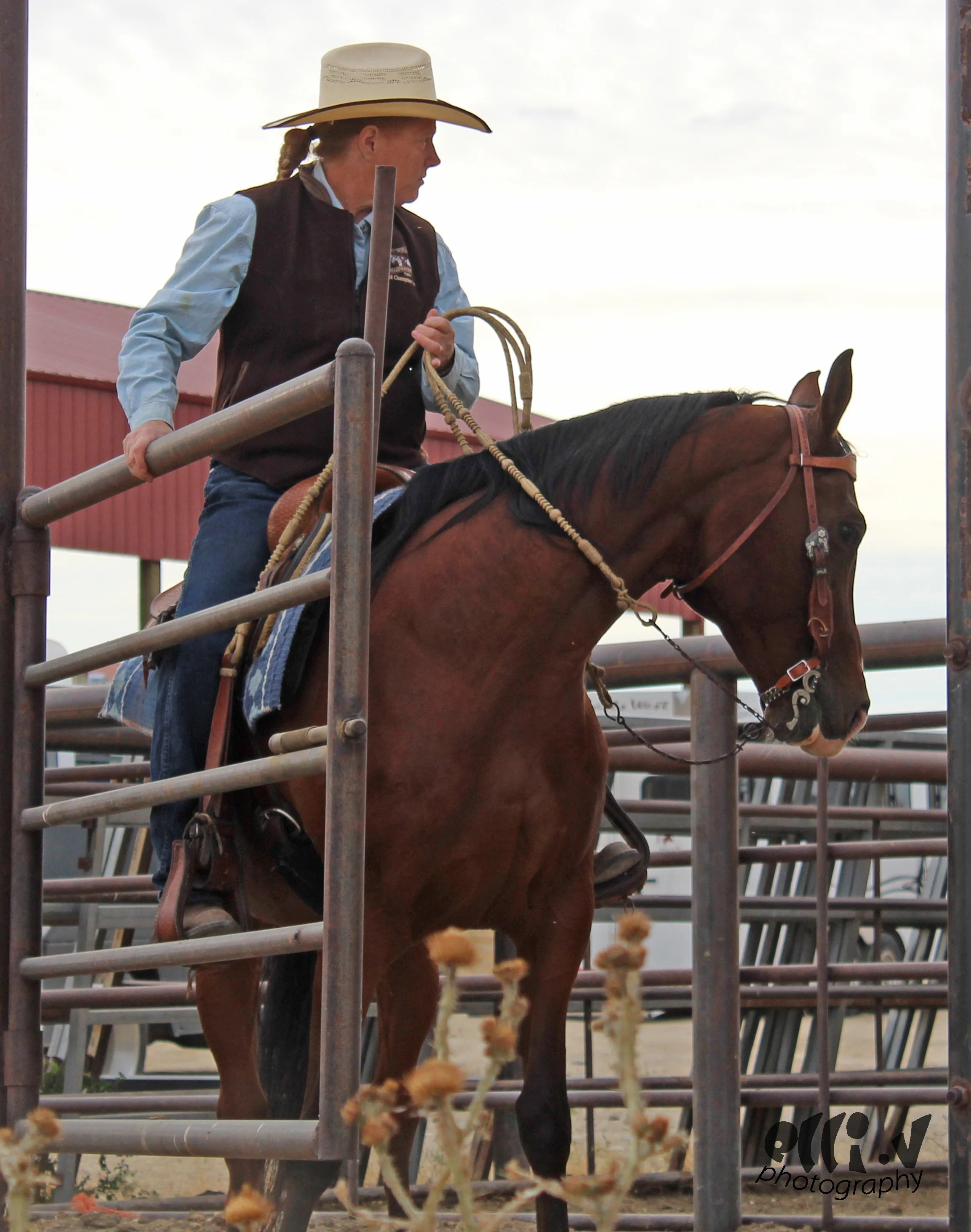
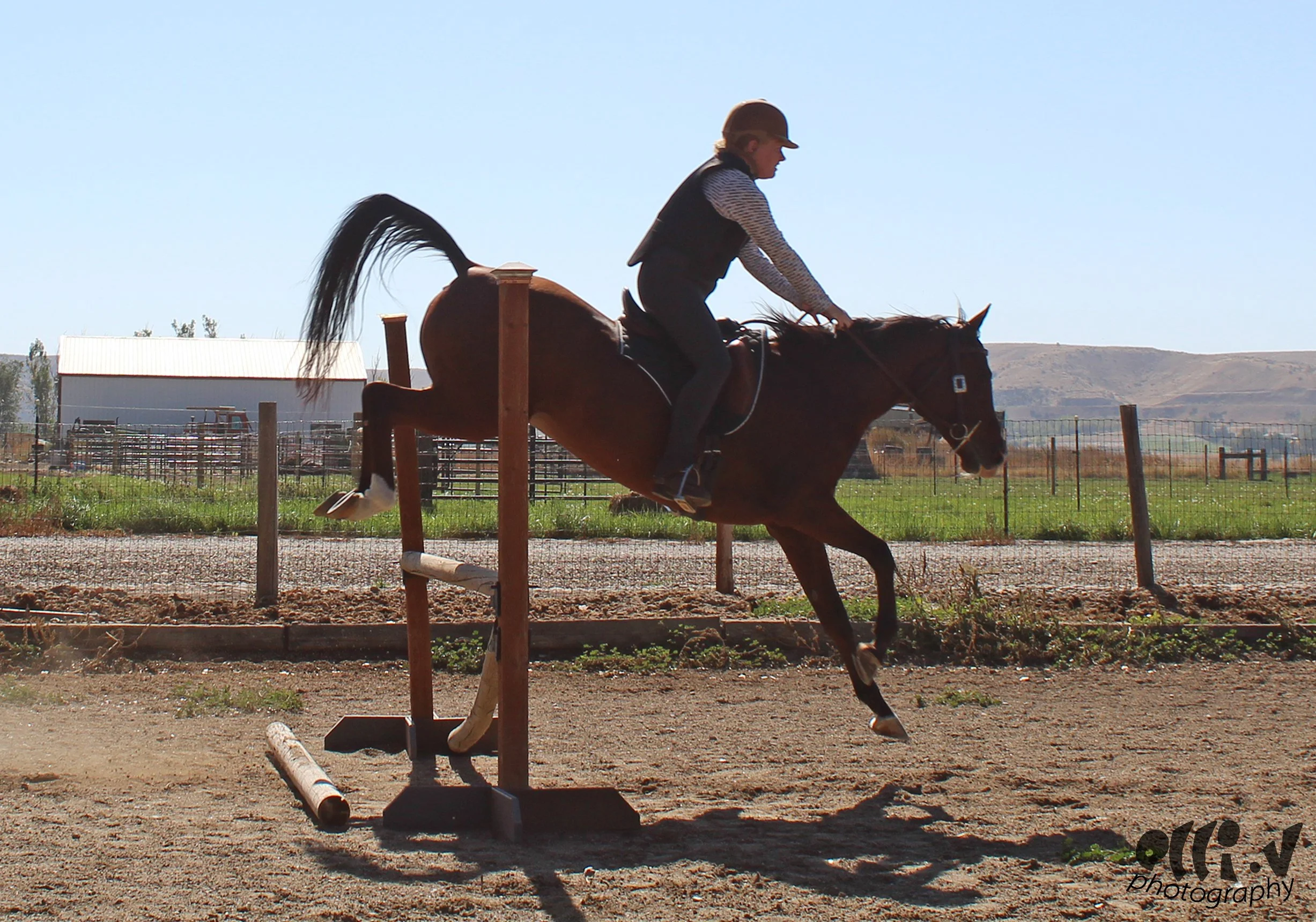
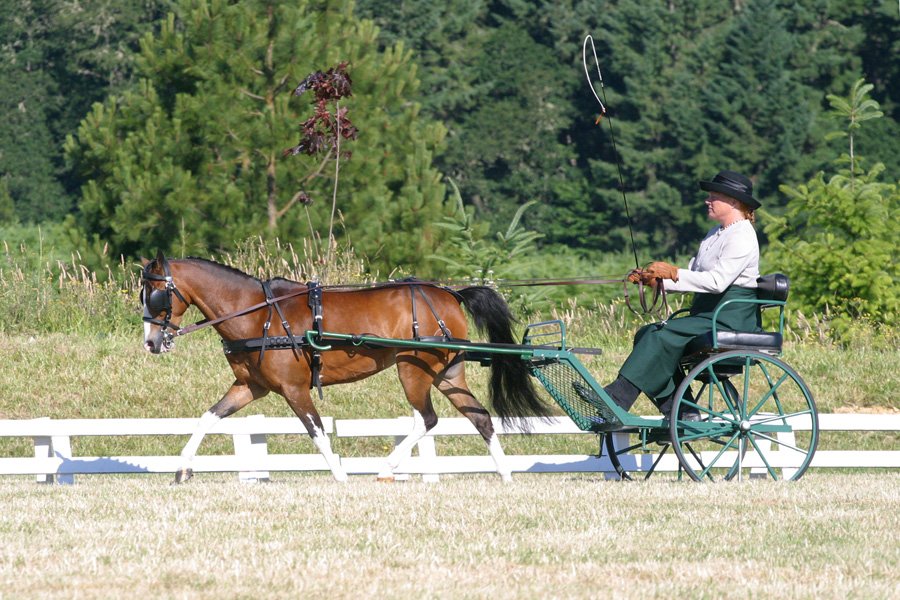
The “carriage driving” horse will continue to be gymnastically ridden (ponies that are too small to ride will be worked on their lateral and obstacle work in hand), learn how to negotiate basic obstacles (opening gates, sidepassing poles, dragging logs, carrying items like ropes, coats and saddle covers etc), will learn how to negotiate small jumps and cavaletti, and be ridden in the hills. If work comes around that needs doing, like ponying colts or babysitting youngsters on a first trail ride, they are the ones to do it. They sometimes give lessons to new riders/drivers. They are taken to small open shows and events to build up to their goal, perhaps a Combined Driving Event. By this point, I’m expecting this horse to have shoulder in, renvers, travers, and half pass walk and trot, have a quality canter, and to have begun the collection process. So we have a carriage horse that can piaffe and go to a working ranch show. Cuz why not? An outing is an outing. And quality work is quality work.
The horses don’t get sour, bored, or become as sore because we are rotating their activities. They come with a much fresher outlook on the day’s happenings. They are also usable for what needs to be done. They seldom require injections below 14 years of age, are seldom on any support programs except occasional body work, and I have treated one horse for ulcers in 34 years here on the farm.
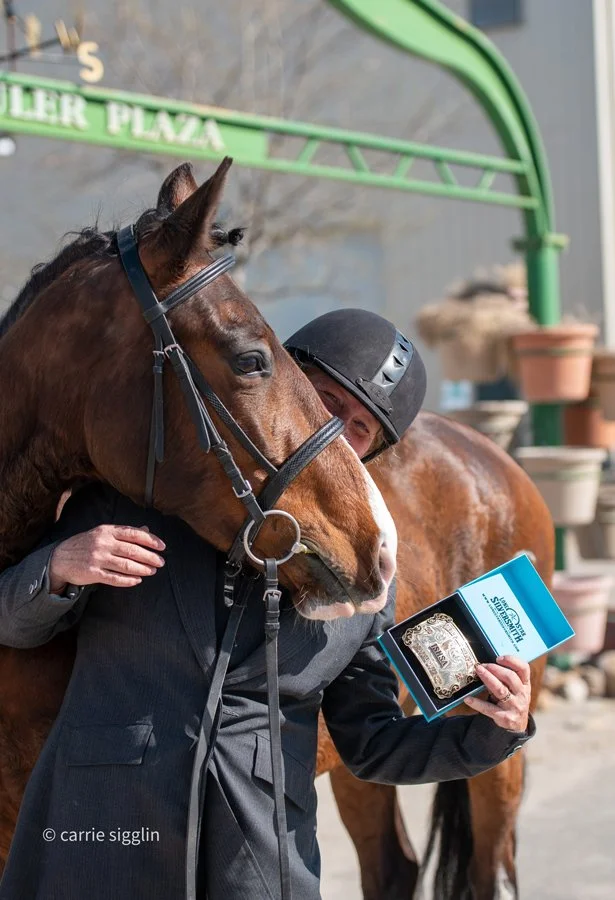
And we still go out and compete now and again. We do well. Not because that’s the goal, it’s because it’s the outcome.
When the child is taught well, tests are simply a gauge of the education. If a horse show doesn’t go well, that’s feedback that I need to see to something I missed. And maybe it didn’t show up until we got into the show situation. Still my job to sort it out so the horse is his best self. Get that horse feeling good, understanding the job, and able to stay calm and focused.
It takes a lake to encompass all the needs of most horses. Deep and wide to have space for all their unique characteristics. To be able to see them as individuals, and teach them as beings who need novelty, interest, and variety. To realize that any one activity just isn’t enough for a well-rounded life. Not for you, me, or the horses we say we love.
Let our love be made manifest in our choices and the growth of our knowledge.