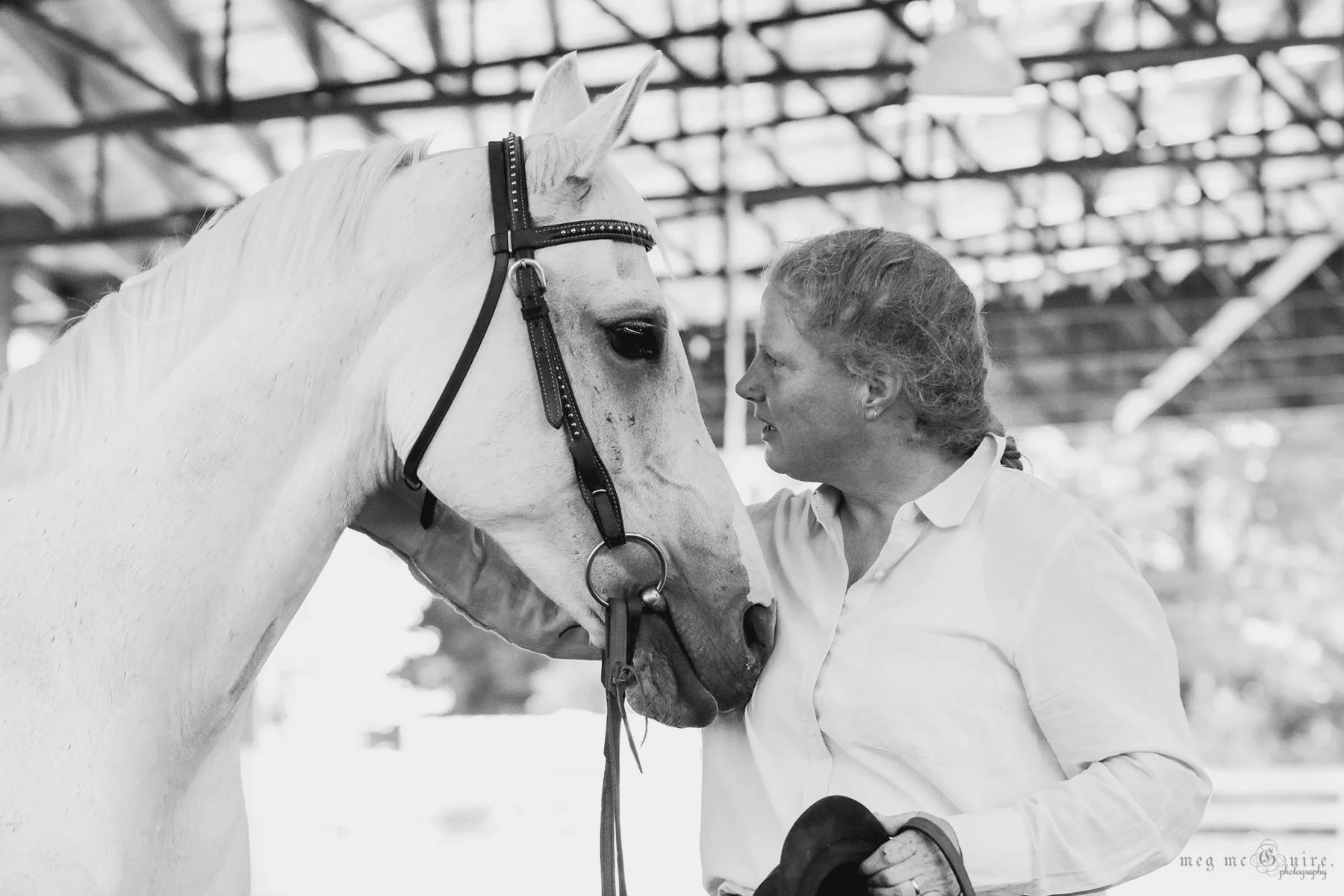
Who needs to know?
In life, some people need to know things for those things to be created or understood. Others need to know how to keep them working. Then there are the rest who need to know how to operate things. Different kinds of minds seem to settle into one of these positions over others.
1. Architects, historians, mathematicians, engineers, analysts, chemists, and other scientists are people who have a very deep education in their field, have a vast store of information to draw from, can create connections or conclusions that are novel or new, and bring it together to create something that advances their field of expertise.
2. Mechanics/electricians, builders (masons, welders, electricians, carpenters), and all kinds of technicians, along with those mentioned above, put feet to the floor, make it happen, and help maintain the results.
3. The rest of the population needs to know how to use the information, inventions, and discoveries to apply the results in their lives. They may very well be part of the first or second group in another field! But I digress.
Here is an example: The math required to get to the moon and back, as shown in the true-to-life movie, “Hidden Figures.” Without the math and the mathematicians, there wasn’t any hope of getting it done. Katherine Johnson, Dorothy Vaughan, and Mary Jackson were able to apply mathematics to this historically unique situation where others were unable to. This represents the first group of people I listed above.

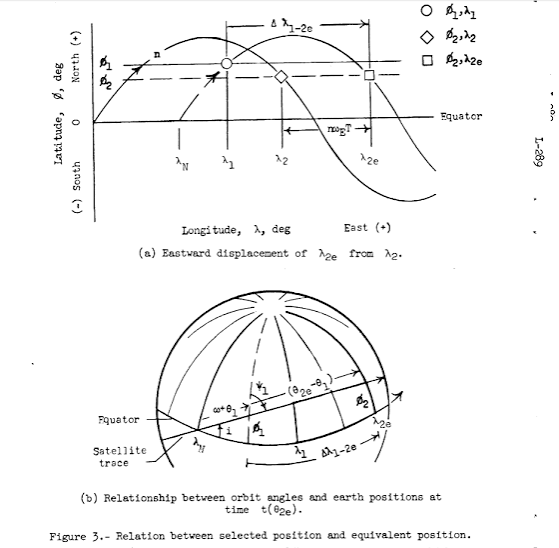
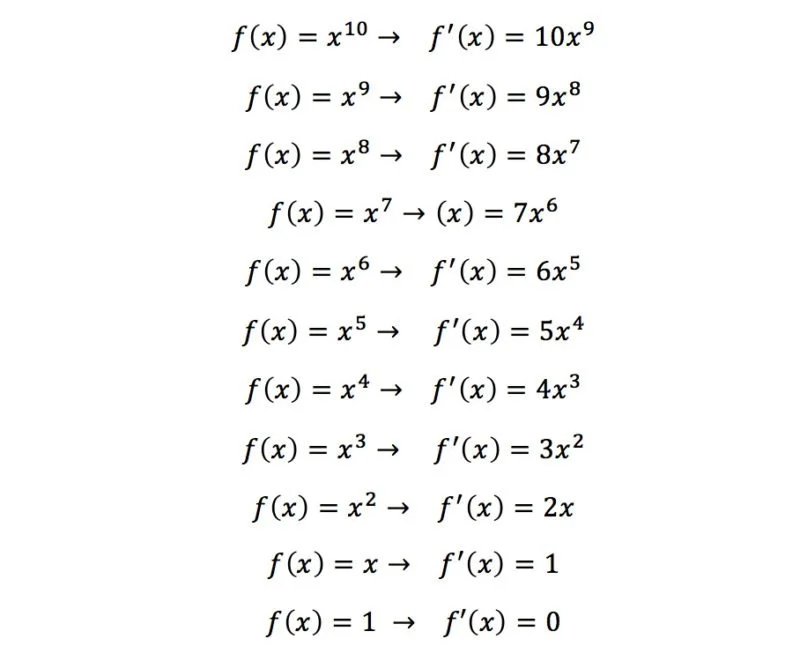
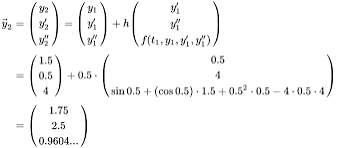
The second group, as applied to this example, is the entire staff at NASA who used each of their unique training and abilities to engineer, build, monitor, repair, adjust, communicate, support, and bring the mission to life. The math wouldn’t work if a ship hadn’t been built and astronauts and staff trained for the mission.
That brings us to the third group. The astronauts who needed to understand how to operate the machinery. Their job is boots-on-the-ground application of the work that came before them.
Some folks are in more than one group. Some folks shift from group to group throughout their careers. But the general idea remains: Create or recreate, build or maintain, use and apply.
So what in the world does this have to do with horses and horsemanship????
Well, I’m that kinda gal that thinks and thinks and recognizes patterns. Those patterns can bring clarity if you are looking for it! And I enjoy nothing more than looking, learning, applying, reevaluating, adjusting, and trying again. So my approach to horses is, well, a bit different. I used to hate being so odd, but I shrug now. It’s how I showed up on the planet and the brain I came with, so why not use it? But I have to keep feeding my busy brain to give it something to consider and explore. I read and study, keeping a steady diet of mainly old, dead French dudes and scientists. While I’m working, I open my imagination to new possibilities of recombining different ideas or finding a new application for them. The results can be remarkable!
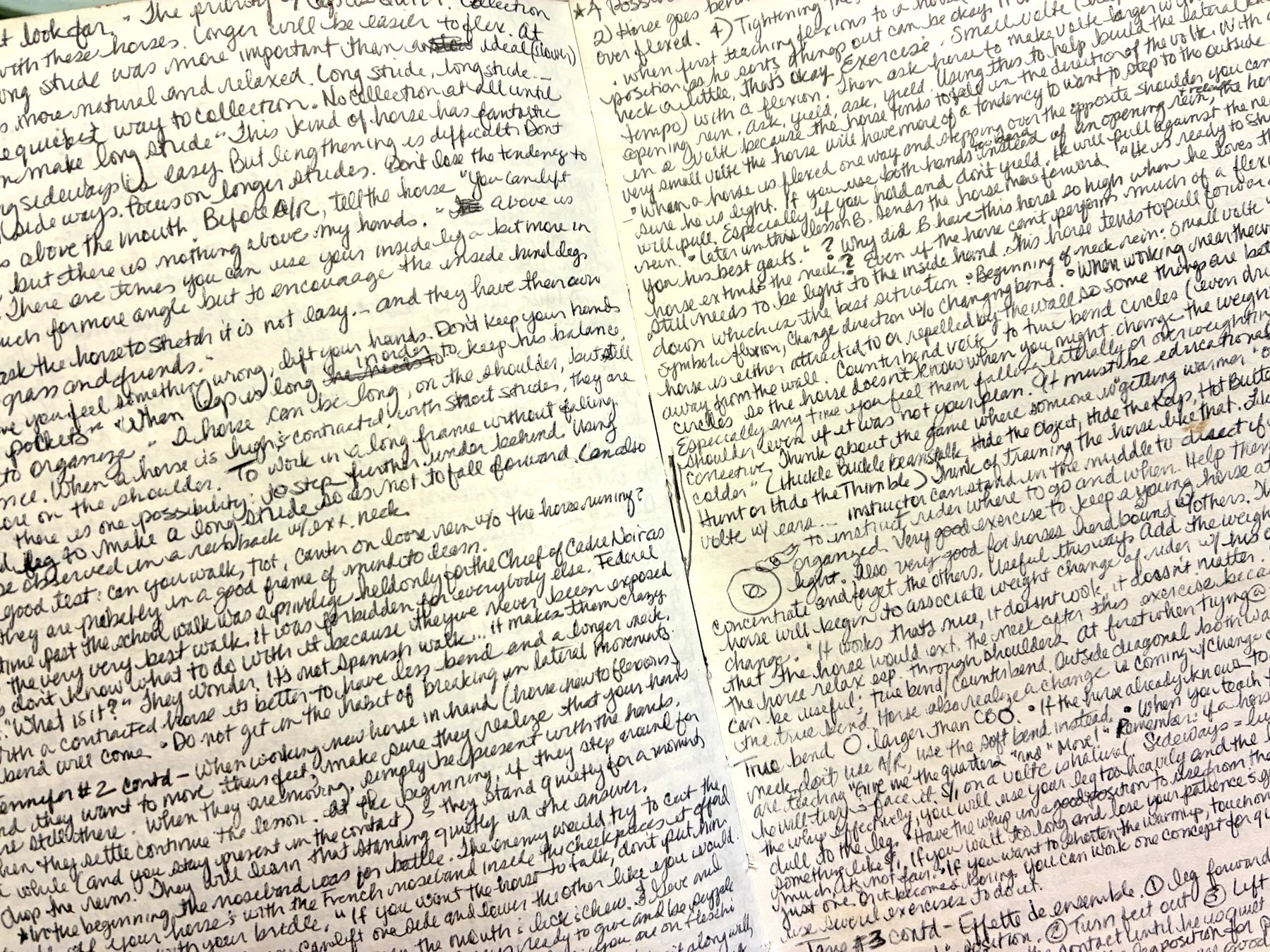
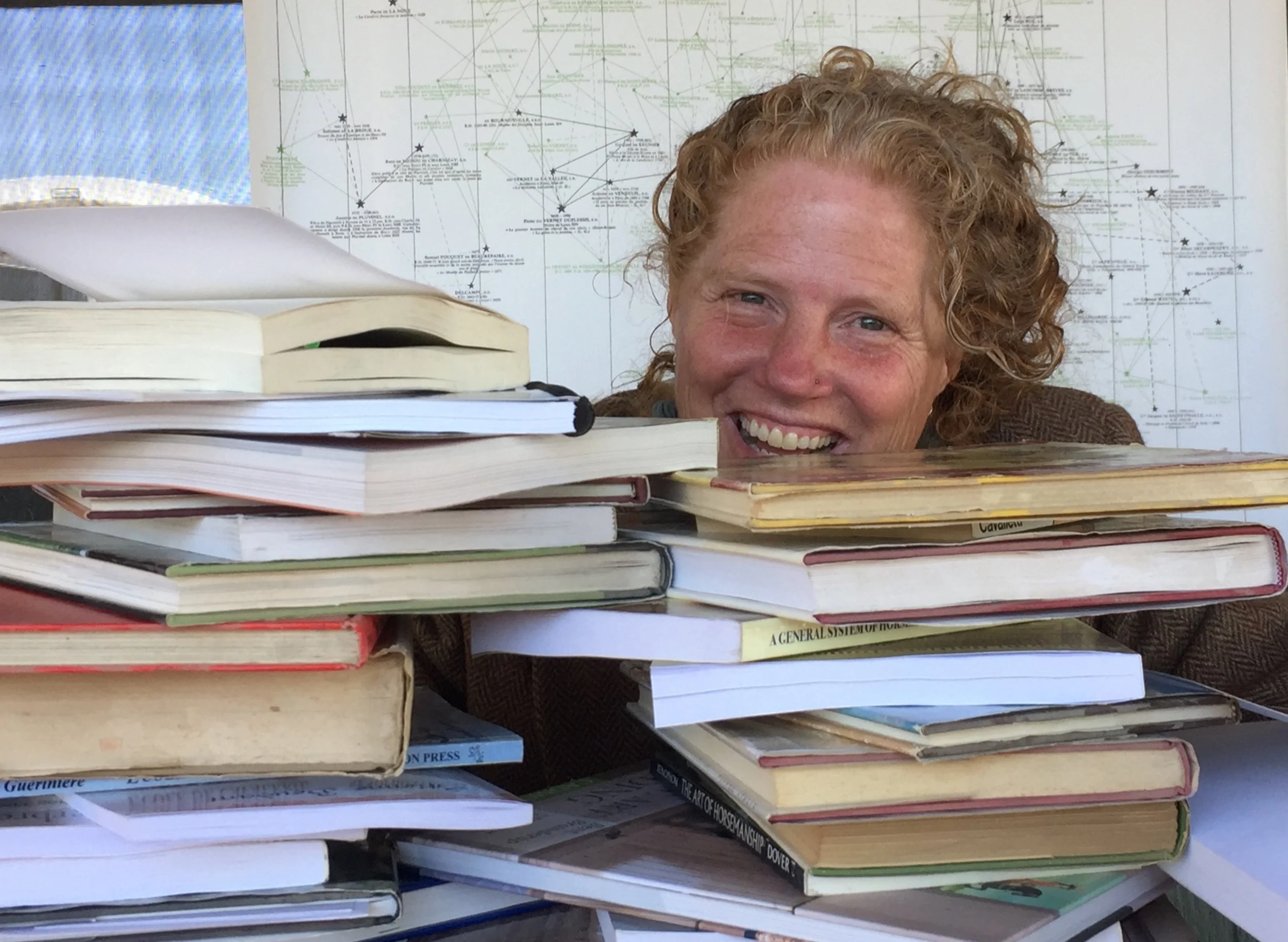
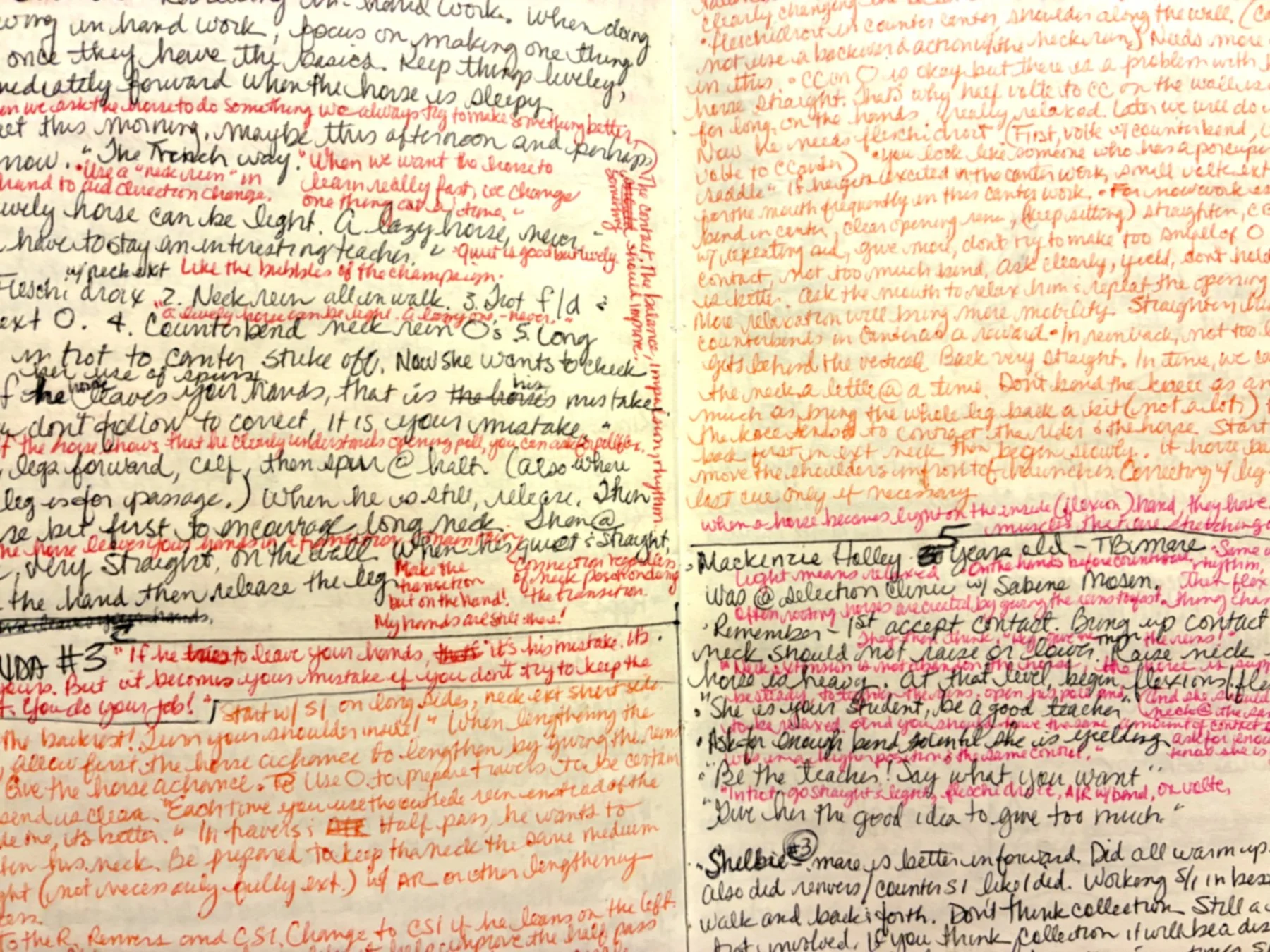
I know there are a lot of ideas out there, but they're not all complementary to my core values, so I limit my studies to those sources that are. I only have so much time, and spending time reading what I don’t agree with or doesn’t align with my value system doesn’t make much sense. What I draw from, therefore, must align with these goals:
•Work with the nature of the horse, not against it-L’Hotte
•Use methods that help the horse become MORE and not LESS. Also L’Hotte, if I’m paraphrasing. Also a touch of Cavendish.
•Create a foundation worthy of building on. -De La Gueriniere and Licart
•Build using sound physical, educational, and emotional resources and methods. -Educational methods from college
•Ask a lot of “If/Then” questions. -Philo the Dialectician, ancient Greek philosopher
•Participate in clinics and other educational opportunities and continue researching methodologies and scientific advances that support those goals. -common sense if you want to continue to grow
•Dismiss any “method,” “discipline,” “activity,” or “approach” that involves outright violence, force, or demeaning of horses or riders.
So that puts me, I believe, within both the first and second categories of folks: I create methodologies from history, science, and experience, and with that, I build and maintain the education of horses and riders.
Where do you fit in? That’s up to you!
•Do you mainly want to learn deeply and become a creative force in the horse world? Perhaps you want to join me for further study to advance your mission as a teacher or trainer.
•Do you want to learn to build and maintain education? Maybe you’re not that into the super-duper intellectual side, but you love the knowledge of how to get things running well. Join me to learn to do this as a professional or as a motivated amateur.
•Do you want to know how to interact with your horse for the activities you want to do together? Then join me as an owner/amateur and let’s get you up and running together with your horse.
I need to know all the things. So many things!!! Why? Because that’s who I am. Research things, remember lots of things, try the things, see what works, use the things that work. That’s work you DON’T have to do! You get to choose what you are interested in and use it for your own horse life in the way that fits you and your horse.
I experience the most joy in my life when I can share my nerdy giftedness with others.
I hope you’ll join me and see what we can create together!