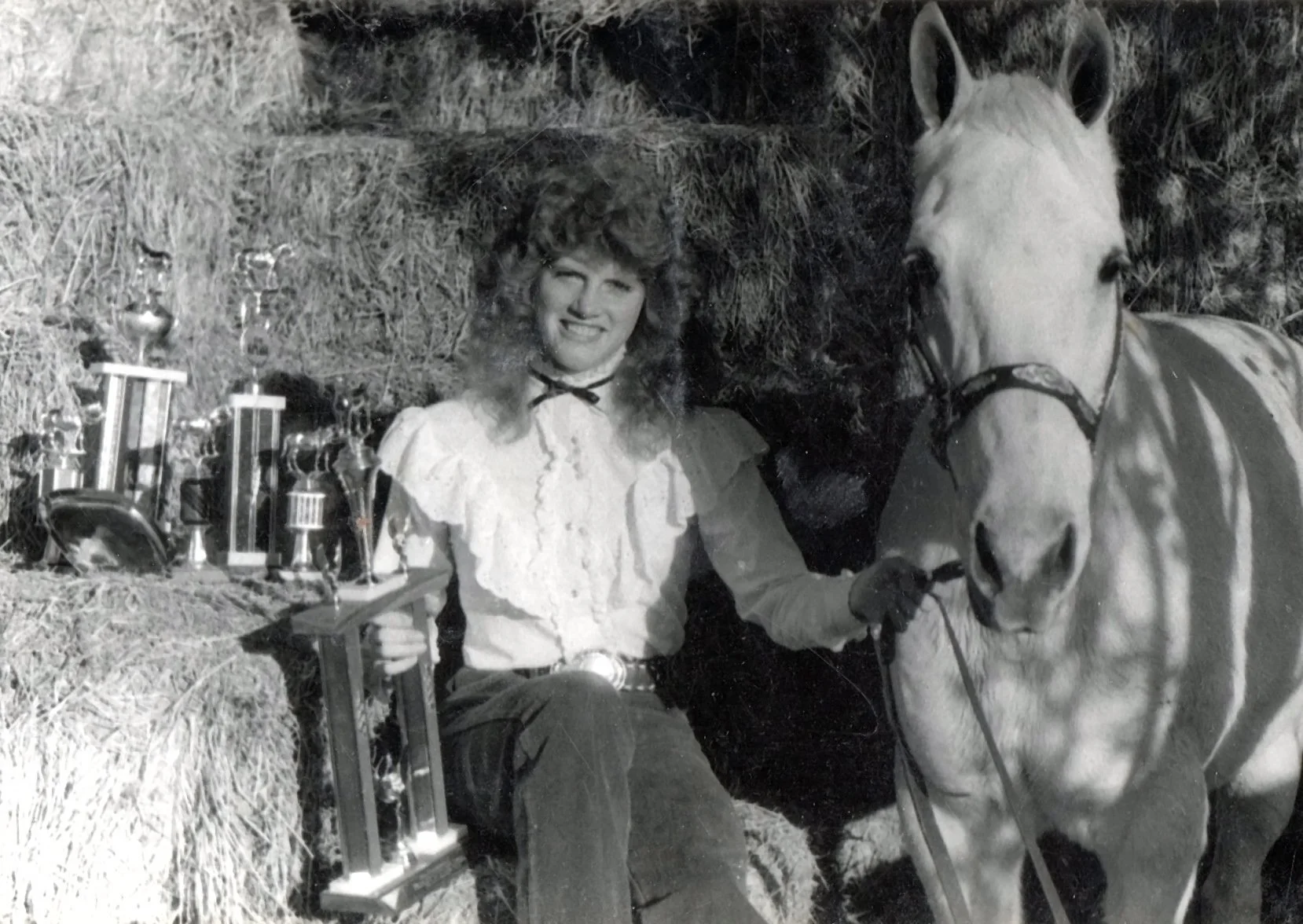
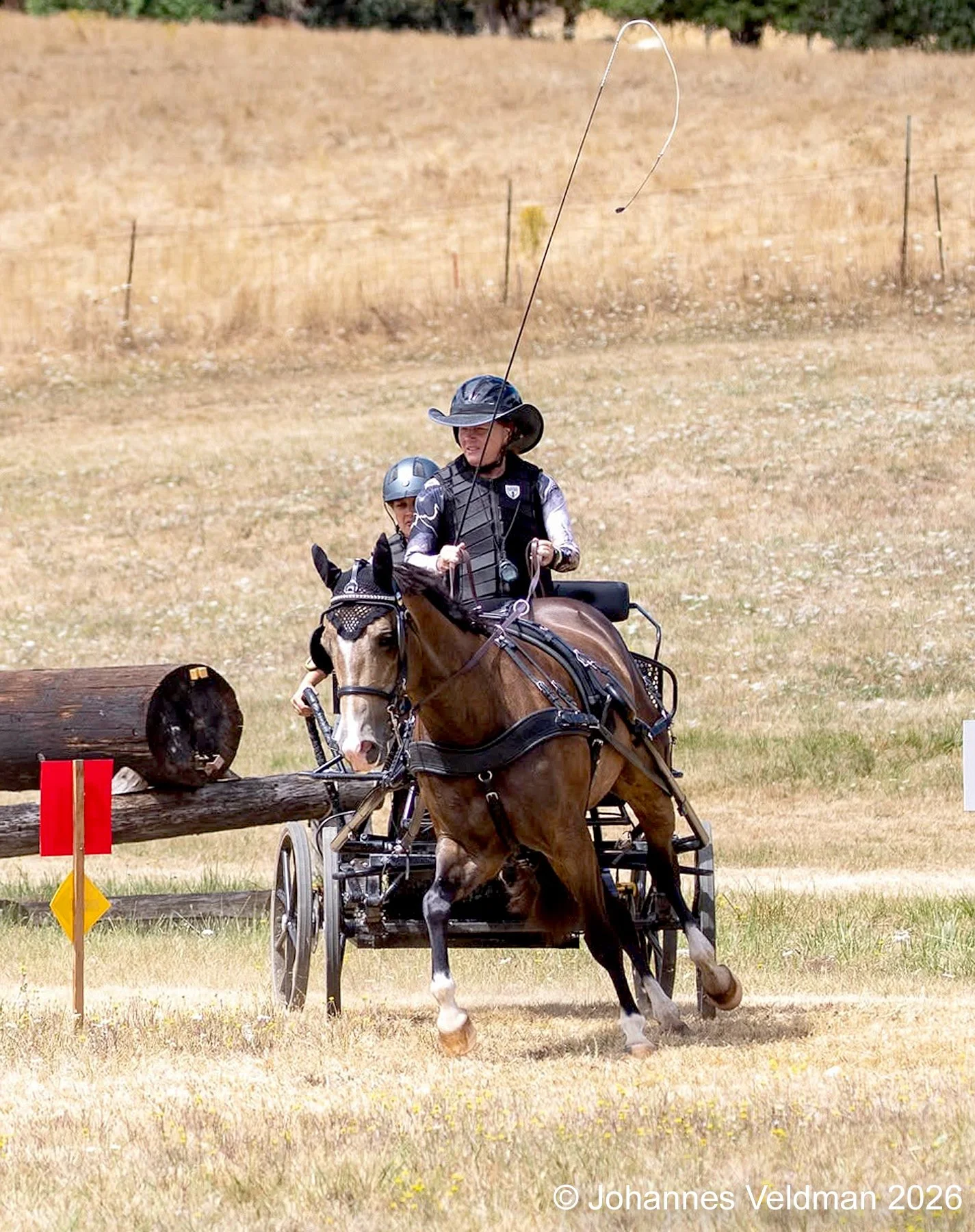
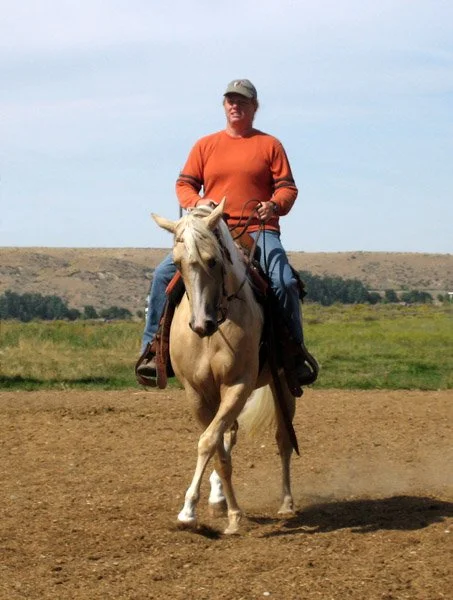
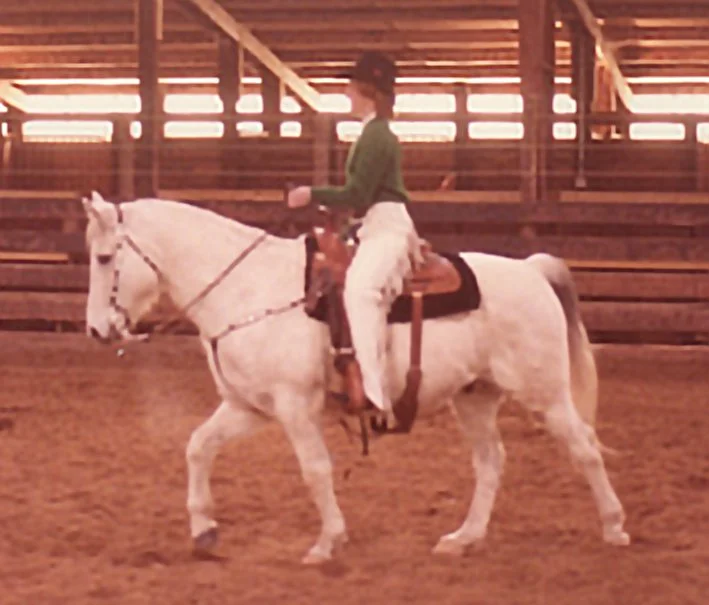
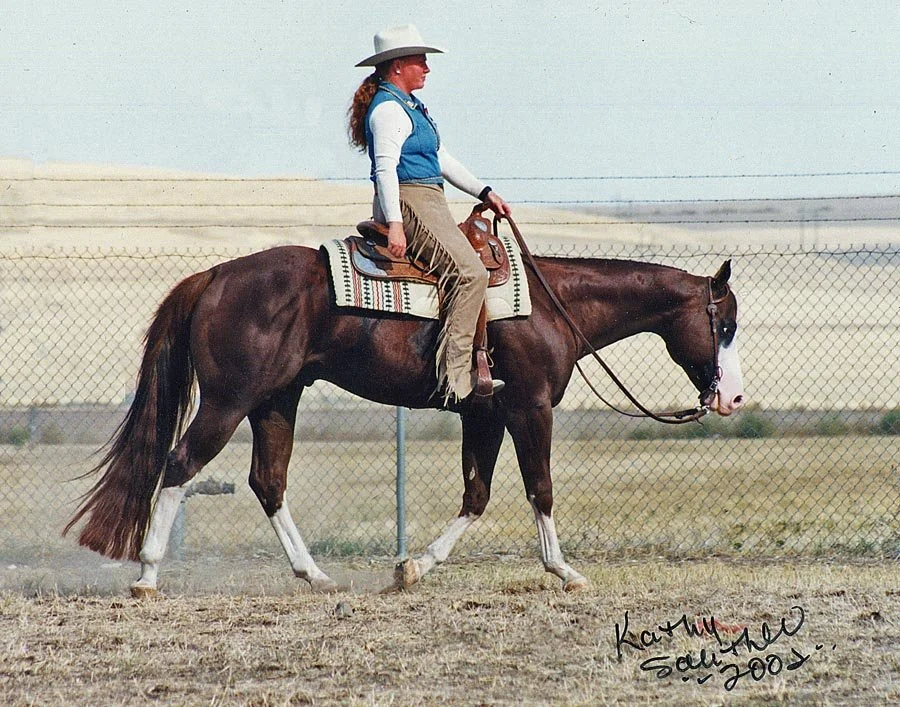
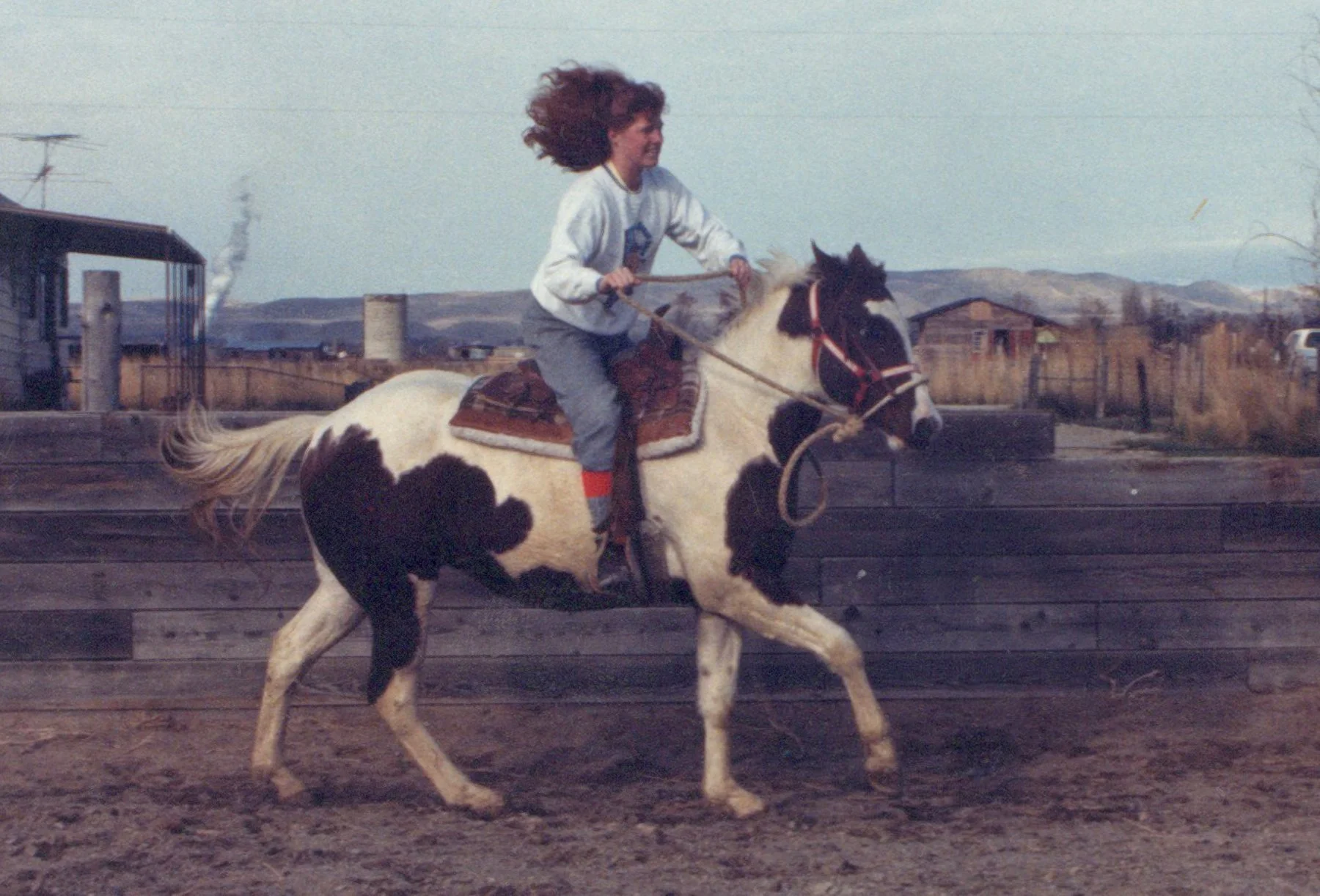
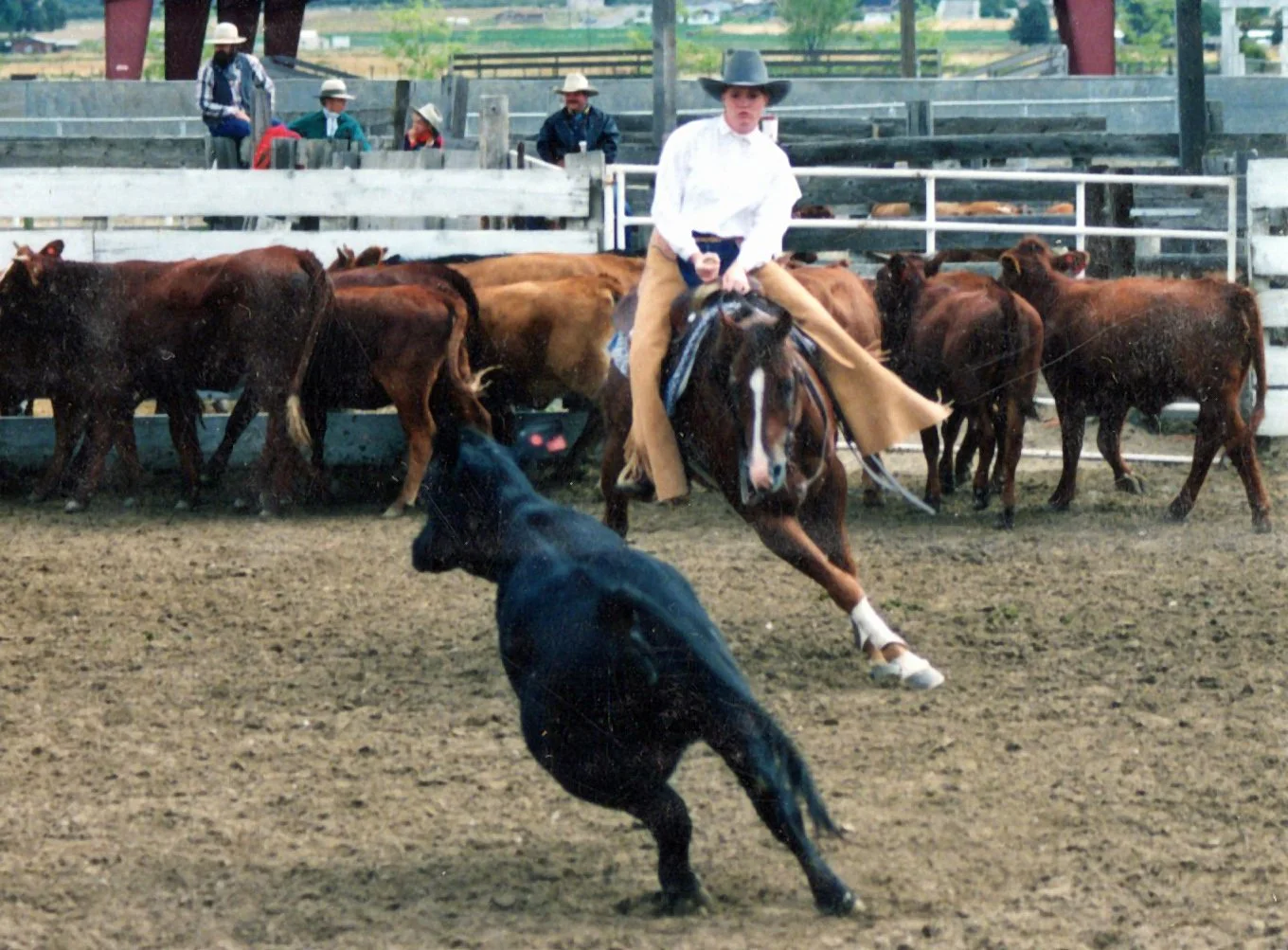
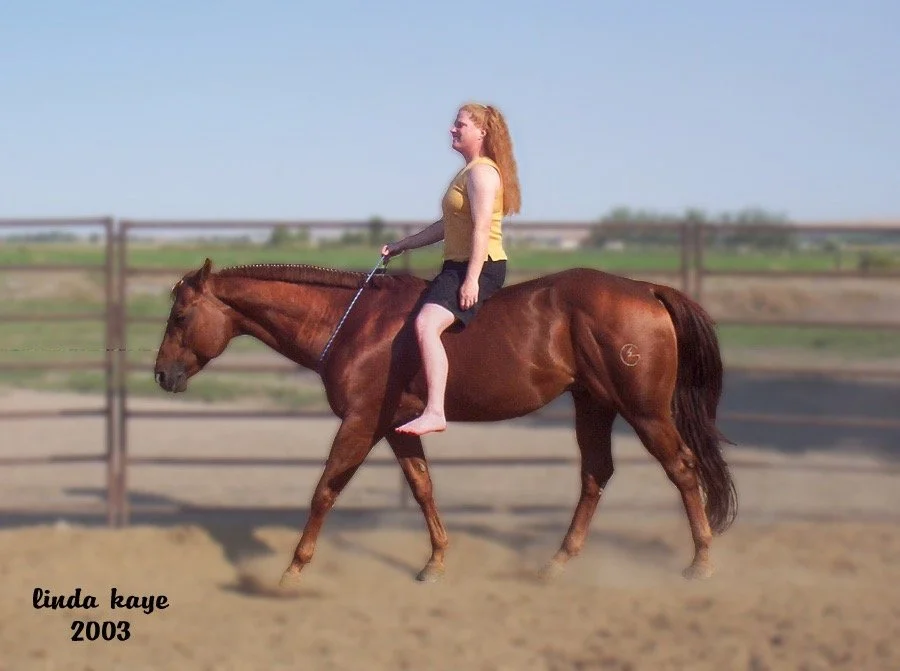
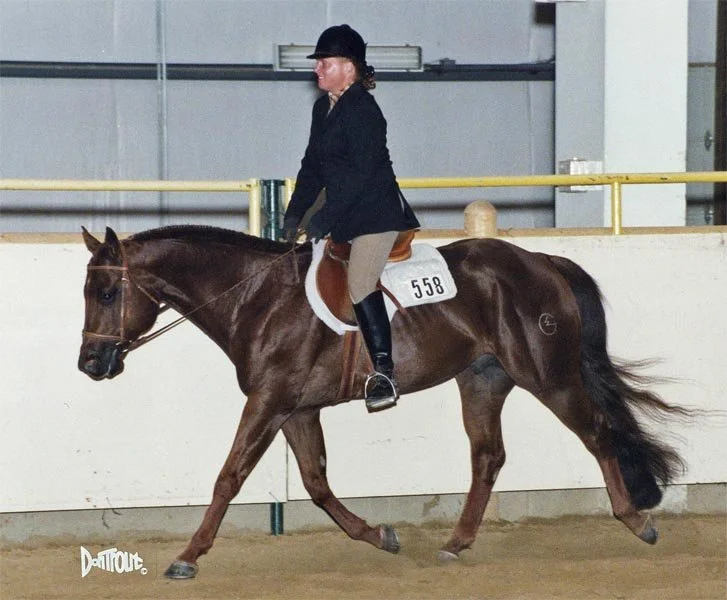
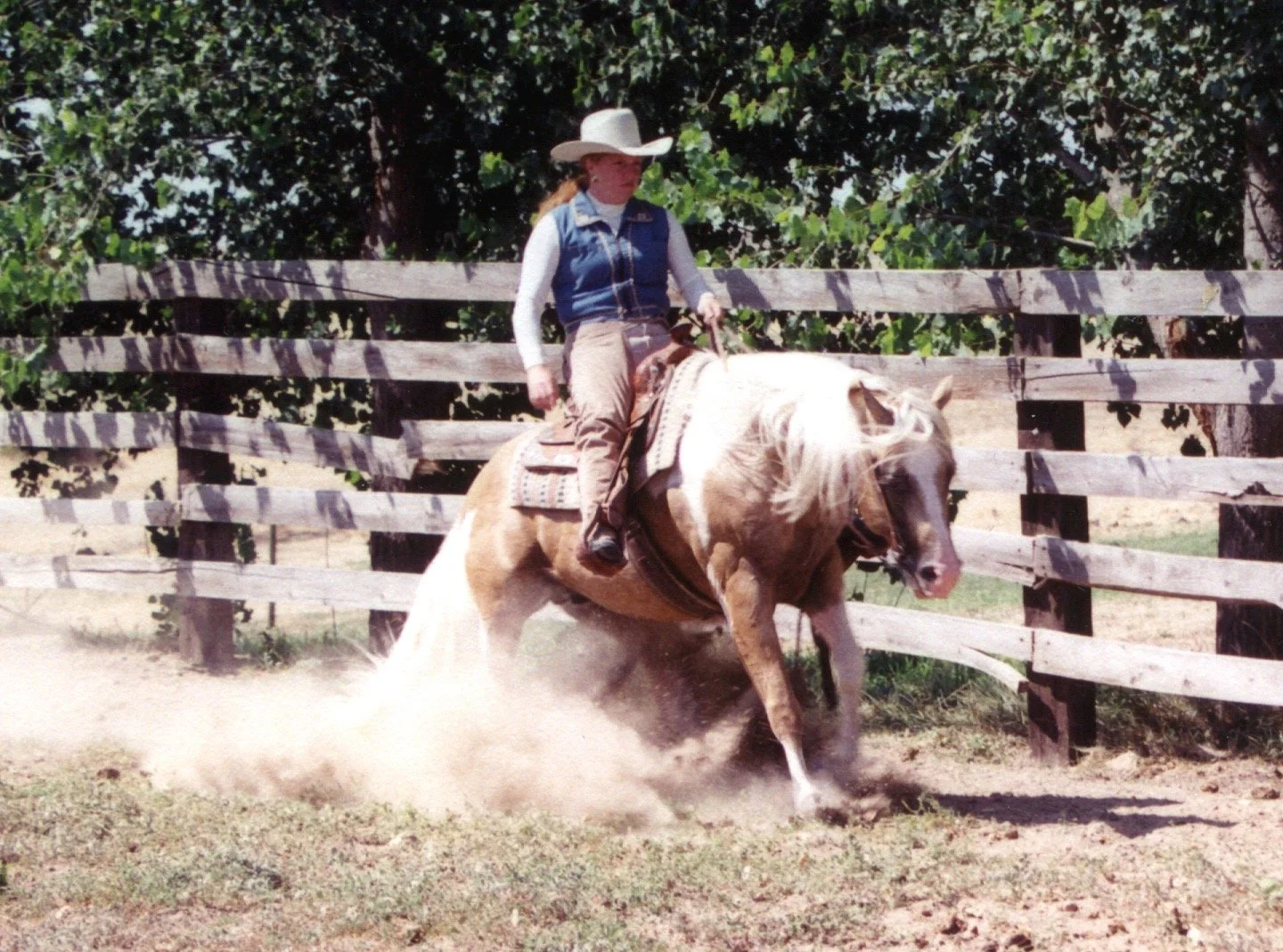
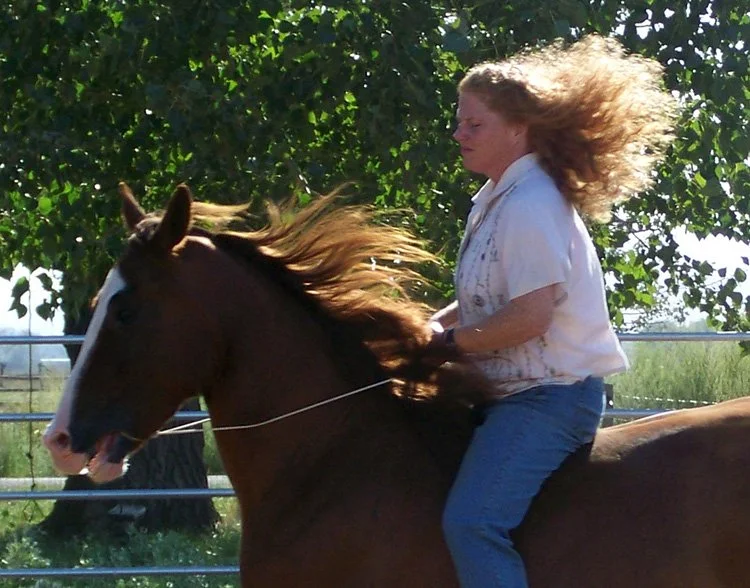
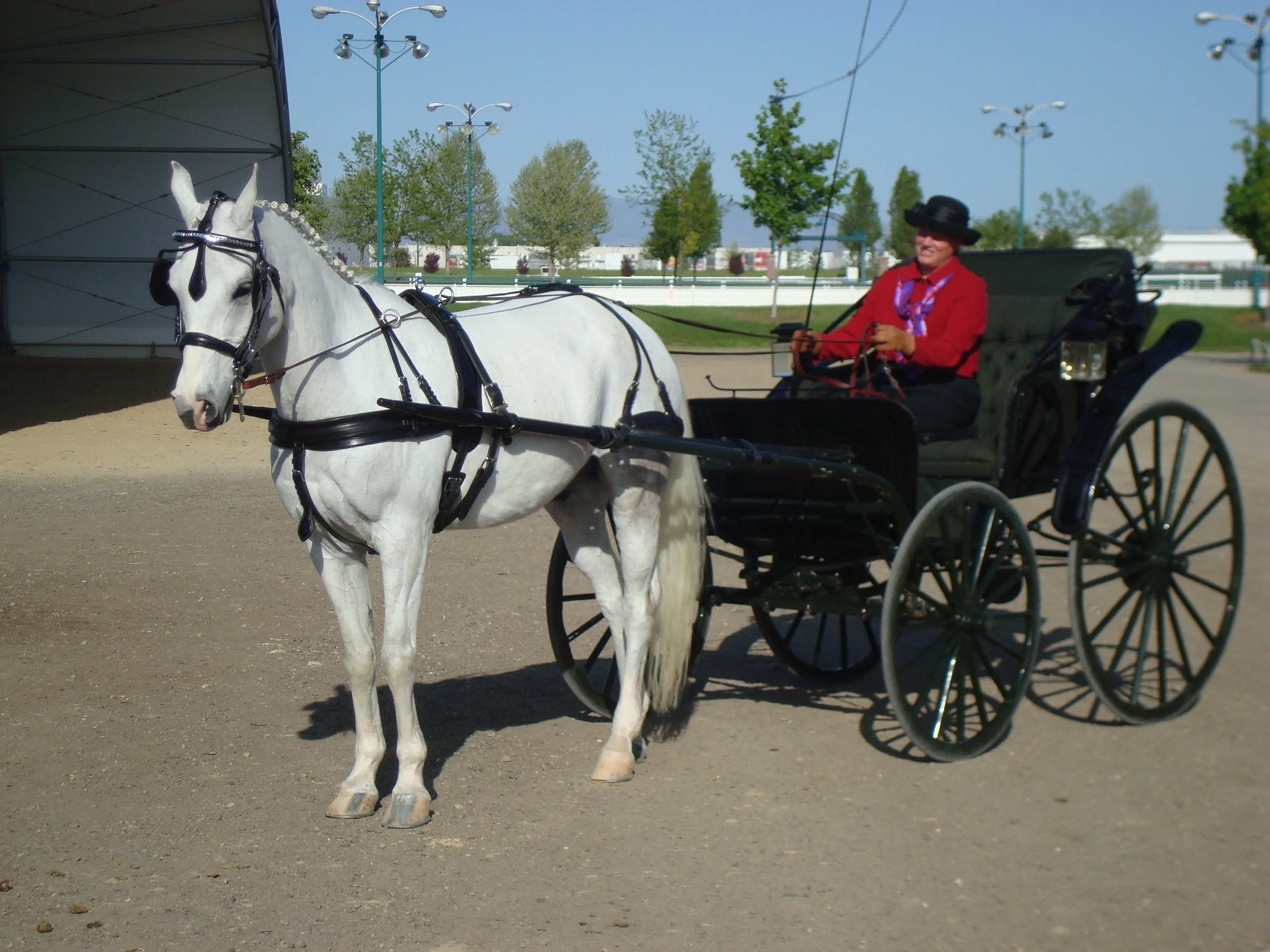
Been doing this 40 years…
"I've been doing this for over 40 years...."
That has been called bragging when I say this. Wait. What?
Most businesses will talk about how long they have been operating. What are they trying to get across? Stability, age-old wisdom, and experience mostly. They've done at least a few things right to keep the doors open.
Now, years in business isn't everything for dang sure, but it is something!
Here's an example to chew on:
Two 55-year-old surgeons with equal time in the job: one has done 10,000 surgeries just like the one you're looking at, and the other has done 100.
Both have been doctors for decades, but one has decidedly more experience. So years in the field isn't the whole story, is it?
There are more questions to ask...what were the outcomes of the surgeries? What do people have to say about their results from each surgeon? Are there differing expenses? What hospital does each surgeon work out of?
All things being equal, though, you'd probably trust the surgeon with more experience, wouldn't you?
As well as the mechanic...the contractor...the plumber...the lawyer...
All things being equal, that is.
Yet....all things are not always equal, are they?
Back to our surgeons. One graduated tops at Johns Hopkins and spent residency there as well. The other graduated in the middle of the class at Meharry Medical College and had a non-academic general surgery residency.
Does this matter too? Of course it does.
The approach each surgeon takes in the procedure is also important if they differ from one another. So where am I going with all of this?
Every professional has, or should have, a few things backing them up:
•An education-it can be formal, informal, or a combination. More difficult and exclusive programs usually carry more weight than self-taught or local programs. Education can be general, specialized, or a combination of both. Regardless, education tells you a lot about that professional and their commitment to learning, their likely priorities (like homeopathy vs western medicine), and the underpinnings of their work.
•Experience-do you want someone with very little experience working for you? They might seem very bright and capable, but do you want your work to function as their residency or internship? You may want to give them a chance to grow and support their career, which is great, but you are not likely to have the same confidence as someone who has done the exact work you need hundreds of times.
**Caveat about experience: If a mechanic has only worked on Dodge trucks, nothing else, they'd probably do you a great job on a Dodge, but I wouldn't necessarily trust them with an Austin Healy. Same with horse trainers....many do the same thing over and over and over again with very similar horses with similar traits and abilities.
That's not as much educating and developing as it is an assembly line. If that's the result you want and you have the horse that fits the job, that's up to you. Just be aware of the type of experience any trainer has.
•Years-yes, years. You cannot get the experience without TIME on the job. With time, you see more exceptions to the rules, more things the books never taught you, more puzzling things that take some figuring to get to work, more continuing education, more networking to have qualified colleagues to bounce ideas off of, and time to shake a person down enough to get some naivete, impatience, black-and-white thinking, knocked out of them and soften the whole picture into something worthwhile.
•Clear results that match your needs, wants, ethics, and aesthetics. Enough results to trust the process and the professional. One trainer's barn is an assembly line, 30-60 horses loped by high school kids, off to shows every weekend. Maybe that matches your wants but not your ethics. Another trainer may have the horses looking show-groomed every minute of every day, but the horses are miserable. Well, that matches your aesthetic, but not your needs and wants.
Get the picture?
YOU are your horse's advocate. YOU interview trainers and horse educators to find a good fit for all of these different aspects of your horse journey.
It's not an easy job, but at least you have some ideas to look for in your next equine professional.
And yes, years on the job are important, but not everything.