What makes a broke horse?
What makes a broke horse? And why does it matter?
Well, there's a lot to unpack.
Having done a lot of different disciplines, I can tell you that from where I live, 𝙢𝙤𝙨𝙩 𝙝𝙤𝙧𝙨𝙚𝙨 𝙡𝙖𝙘𝙠 𝙨𝙪𝙛𝙛𝙞𝙘𝙞𝙚𝙣𝙩 𝙚𝙙𝙪𝙘𝙖𝙩𝙞𝙤𝙣 𝙛𝙤𝙧 𝙩𝙝𝙚𝙞𝙧 𝙬𝙚𝙡𝙡 𝙗𝙚𝙞𝙣𝙜, 𝙪𝙣𝙙𝙚𝙧𝙨𝙩𝙖𝙣𝙙𝙞𝙣𝙜, 𝙖𝙣𝙙 𝙩𝙝𝙚 𝙧𝙞𝙙𝙚𝙧'𝙨 𝙨𝙖𝙛𝙚𝙩𝙮.
See, folks "train" their horse only for what they intend on doing: trail riding, western pleasure, reining, cutting, endurance, jumping, driving, whatever. What they fail to do is build a broad foundation of education underneath. An education you can depend on.
The education I'm speaking of includes all of the things we would want our young children to have, remembering that horses are like big, hairy toddlers.
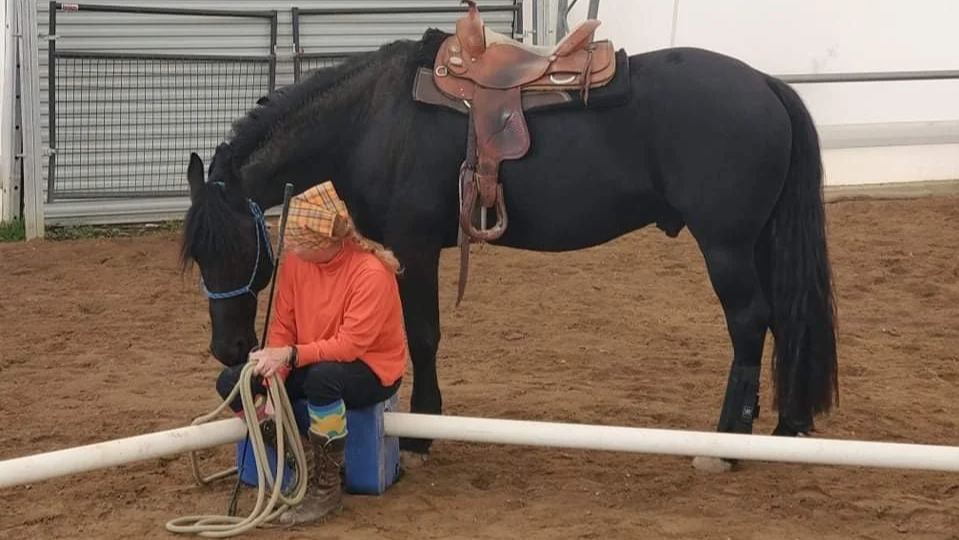
We want the kids and the horses to be able to 𝙚𝙢𝙤𝙩𝙞𝙤𝙣𝙖𝙡𝙡𝙮 𝙧𝙚𝙜𝙪𝙡𝙖𝙩𝙚, not fall apart, be anxious, afraid, or shut down.
Guiding the horse through emotional ups and downs is how horses experience and learn to take things in stride. They need to understand that you will show them the way to calm and relaxation if they get upset; otherwise, they're on their own, and they may never find the way to calm.
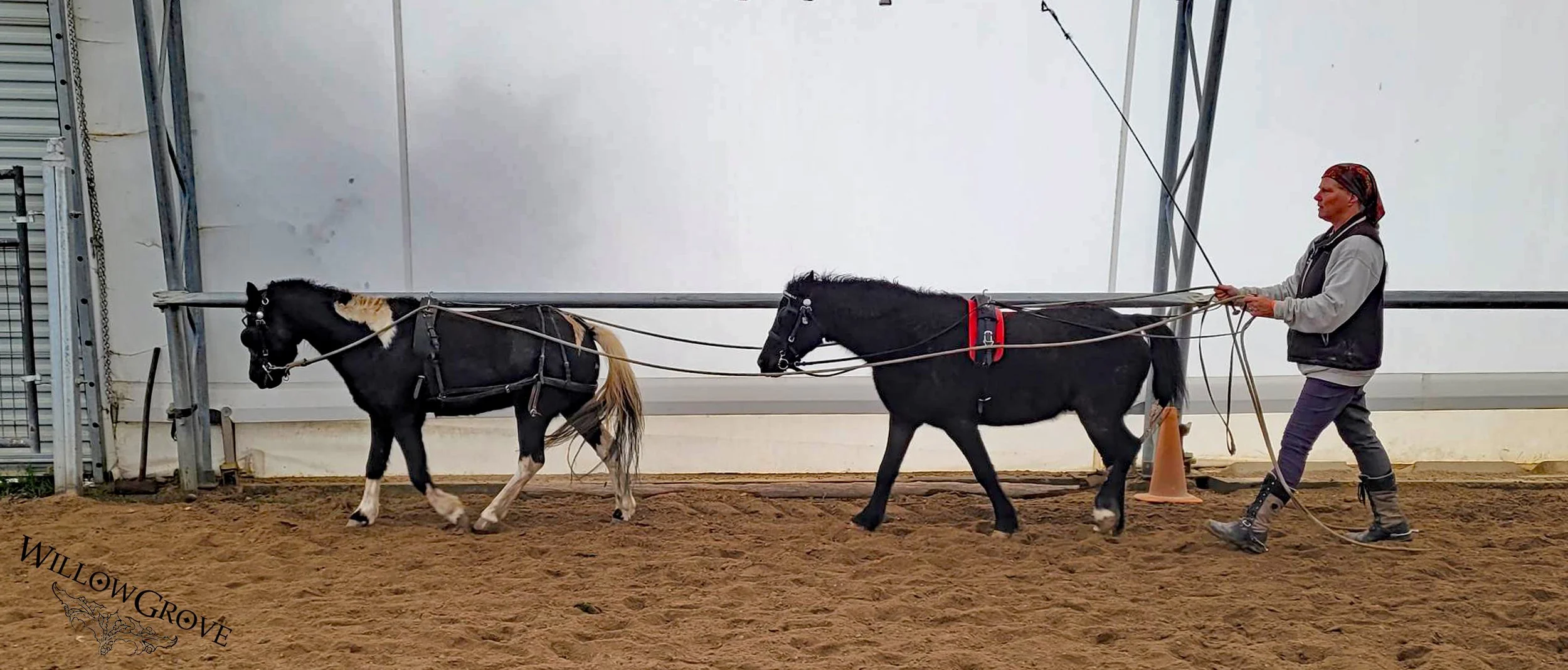
We want the kids and the horses to 𝙡𝙚𝙖𝙧𝙣 𝙝𝙤𝙬 𝙩𝙤 𝙡𝙚𝙖𝙧𝙣. How to participate confidently in what I call the "question and answer cycle."
With a child...you ask a question, "What color is that ball?" The child says, "Yellow." You say, "I'm not sure it's yellow like a sunflower, it looks more like the sky. What color do you think that might be?" "Blue?" the child responds. "Yes! Good job! It's blue!"
What happened here is that the child stayed confident that he would find the answer. If the child or horse doesn't believe he can find the answer and that you will help if they struggle, they can become insecure, even resentful. But if you guide them to success every time, they keep trying. They trust that you're there for support.
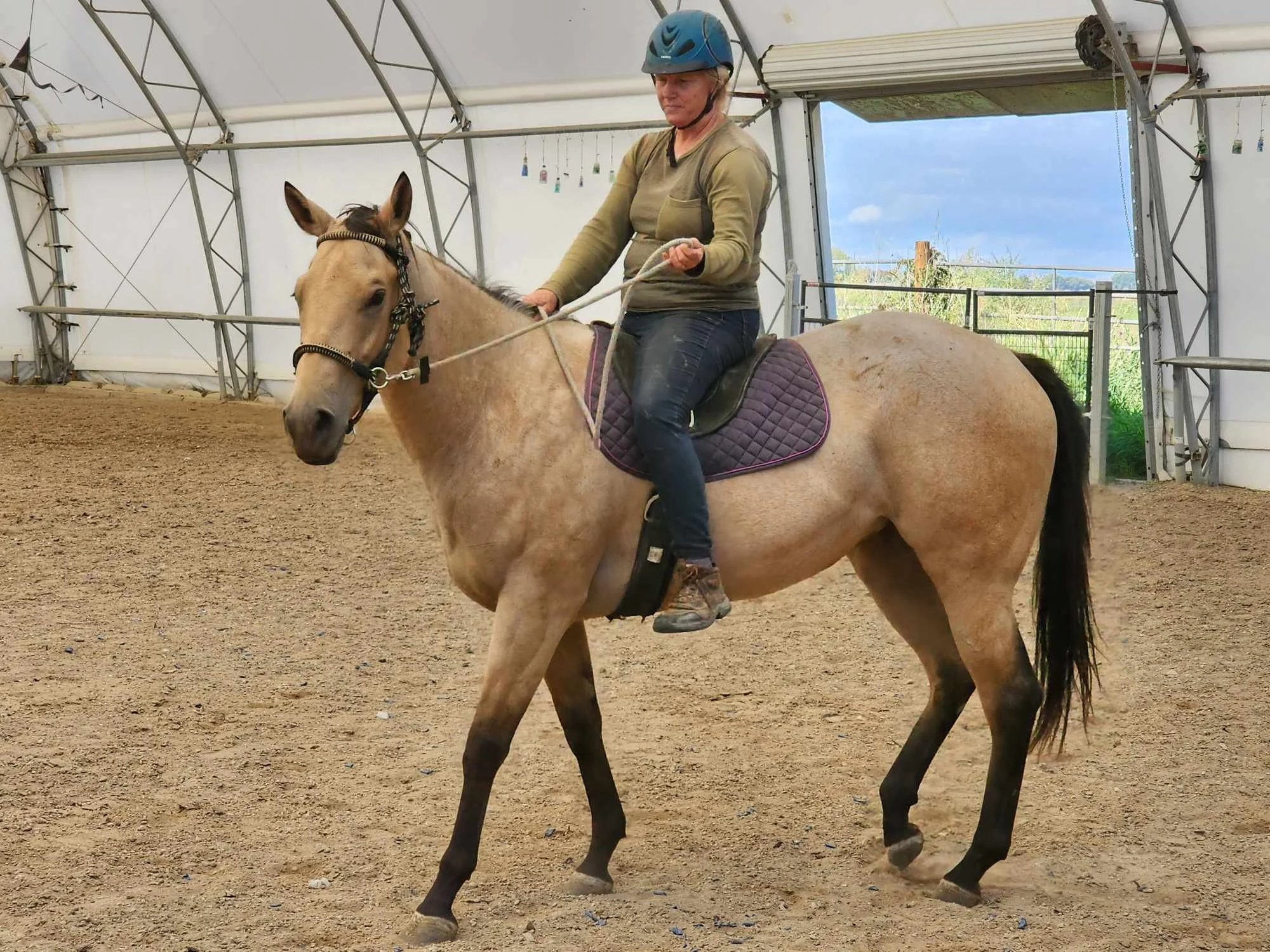
Horses and kids both need to 𝙡𝙚𝙖𝙧𝙣 𝙩𝙝𝙚 𝙥𝙞𝙚𝙘𝙚𝙨 𝙤𝙣𝙚 𝙖𝙩 𝙖 𝙩𝙞𝙢𝙚 𝙗𝙚𝙛𝙤𝙧𝙚 𝙘𝙤𝙢𝙗𝙞𝙣𝙞𝙣𝙜 𝙩𝙝𝙚𝙢. Teach each concept separately, making sure they are clear about them, using the question and answer cycle. It's hard to do this too many times. Each repetition strengthens the neuropathways to the answer you would like them to give. Increases confidence and clarity.
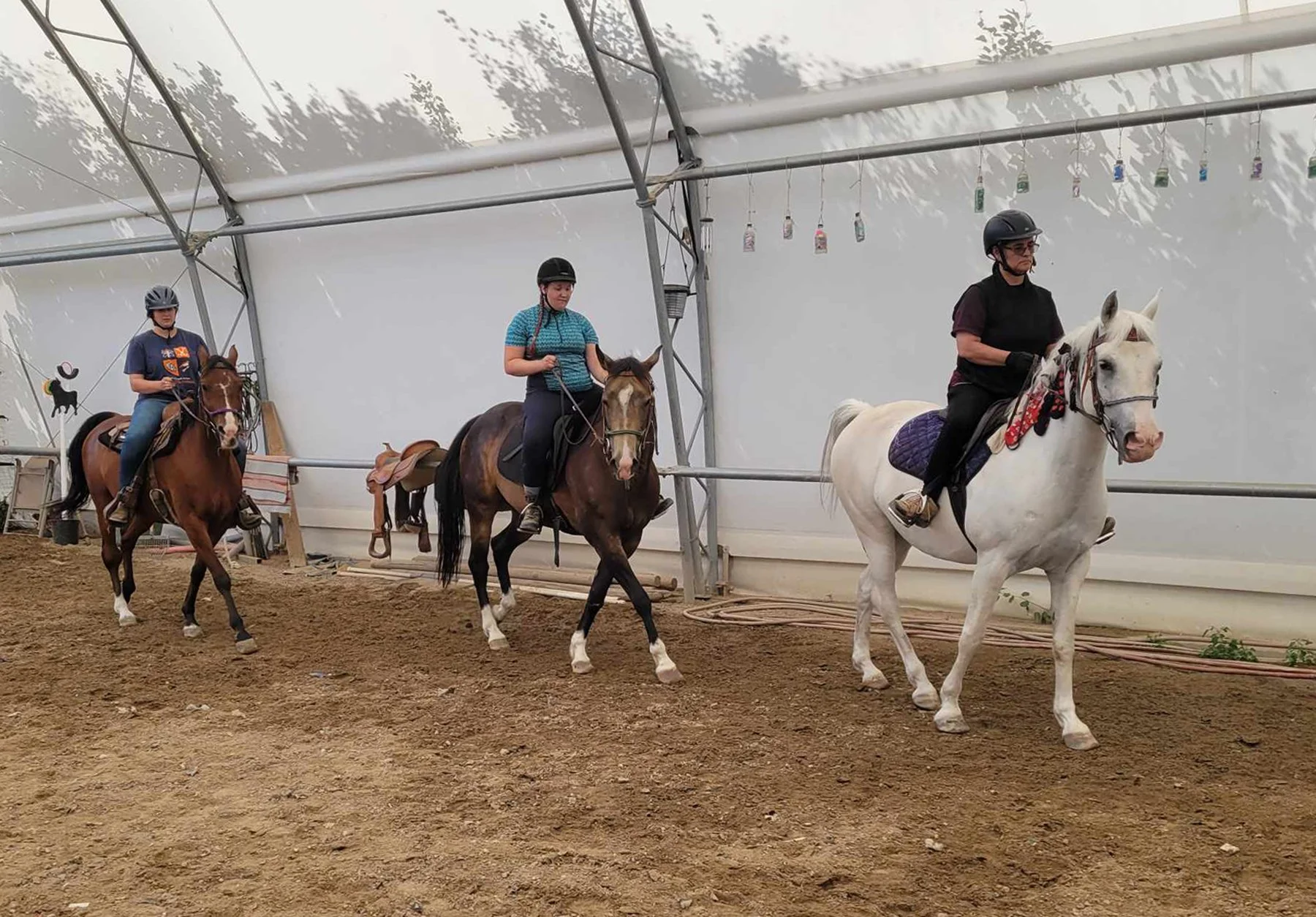
Horses and kids need i𝙣𝙘𝙧𝙚𝙖𝙨𝙞𝙣𝙜 𝙖𝙢𝙤𝙪𝙣𝙩𝙨 𝙤𝙛 𝙫𝙤𝙘𝙖𝙗𝙪𝙡𝙖𝙧𝙮 to communicate with. Yes, no, maybe, and hell no are not enough. My basic curriculum includes understanding of moving the shoulders and haunches individually and together, all gaits in a balanced position, raising or lowering neck height, and flexions of the neck on a straight line or a curve. This is the primary vocabulary. Secondary is voice aids and weight aids. That creates a vast communication system for the basic level of any activity, with specific ideas for higher levels in a discipline.
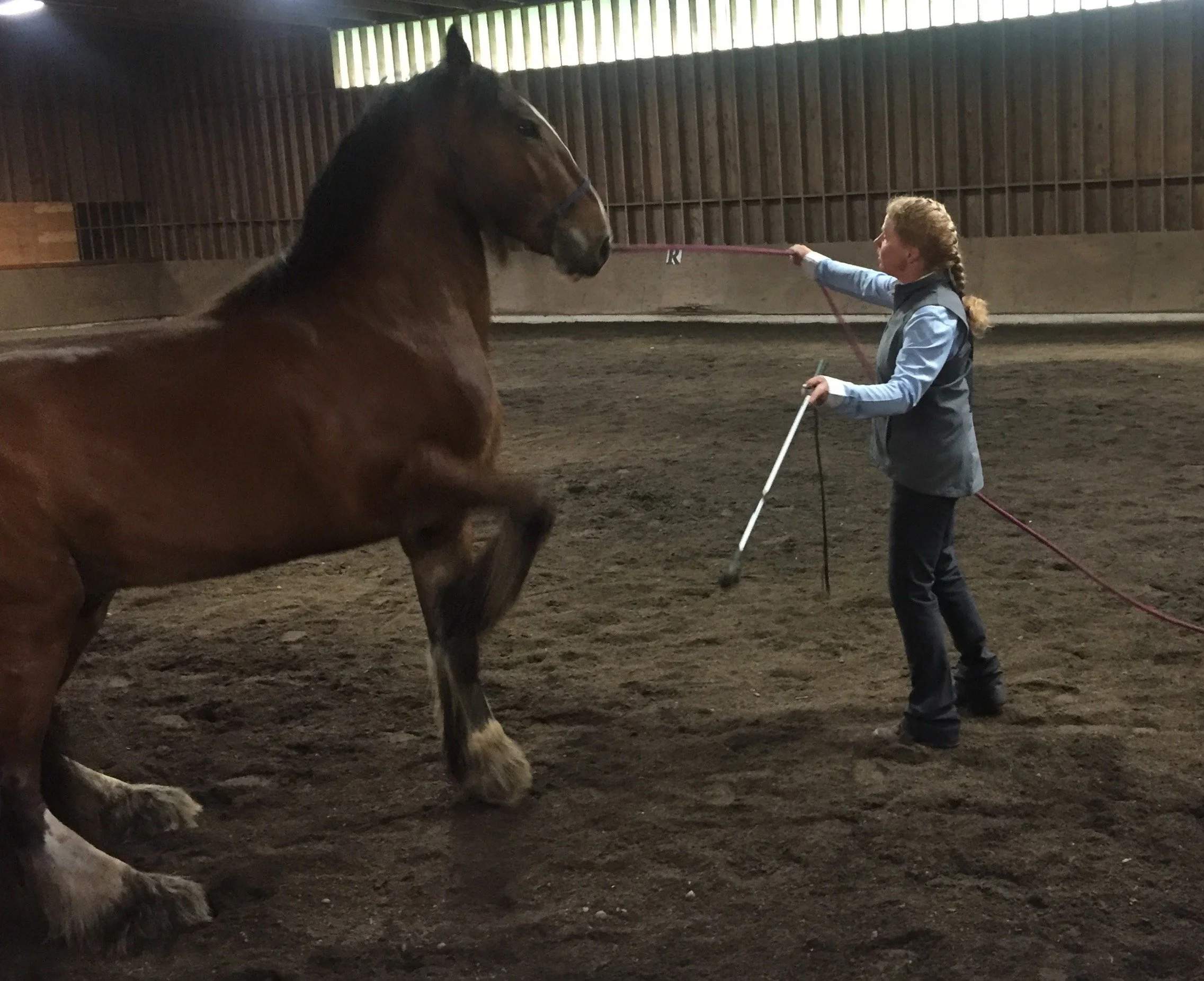
Horses and kids need to understand that 𝙩𝙝𝙚𝙧𝙚 𝙖𝙧𝙚 𝙣𝙤𝙣-𝙣𝙚𝙜𝙤𝙩𝙞𝙖𝙗𝙡𝙚𝙨. If we frame it in child form....a teacher asks little Suzie Q to go to her desk and read a book. It would be a small redirection if she doesn't get out a book or colors instead. It is a non-negotiable if she throws her chair at another student. Knowing the difference between actions requiring redirection and those that require a clear boundary becomes not only an issue of safety but also of providing clarity and calm for the horse. They know that interactions are fair, they can make mistakes, but certain behaviors are out of bounds. It strengthens the pathways of problem-solving while weakening the pathways of resistance.
Be forewarned. If you train in a way that says anything outside of your very narrow idea of what they offer is a non-negotiable, YOU are being a tyrant and trying to create an equine zombie. I say it again and again and again, 𝙞𝙛 𝙩𝙝𝙚 𝙚𝙭𝙥𝙚𝙘𝙩𝙖𝙩𝙞𝙤𝙣 𝙙𝙤𝙚𝙨𝙣'𝙩 𝙨𝙪𝙞𝙩 𝙖 𝙝𝙪𝙢𝙖𝙣 𝙩𝙤𝙙𝙙𝙡𝙚𝙧, 𝙞𝙩 𝙙𝙤𝙚𝙨𝙣'𝙩 𝙨𝙪𝙞𝙩 𝙖 𝙝𝙤𝙧𝙨𝙚 𝙚𝙞𝙩𝙝𝙚𝙧.
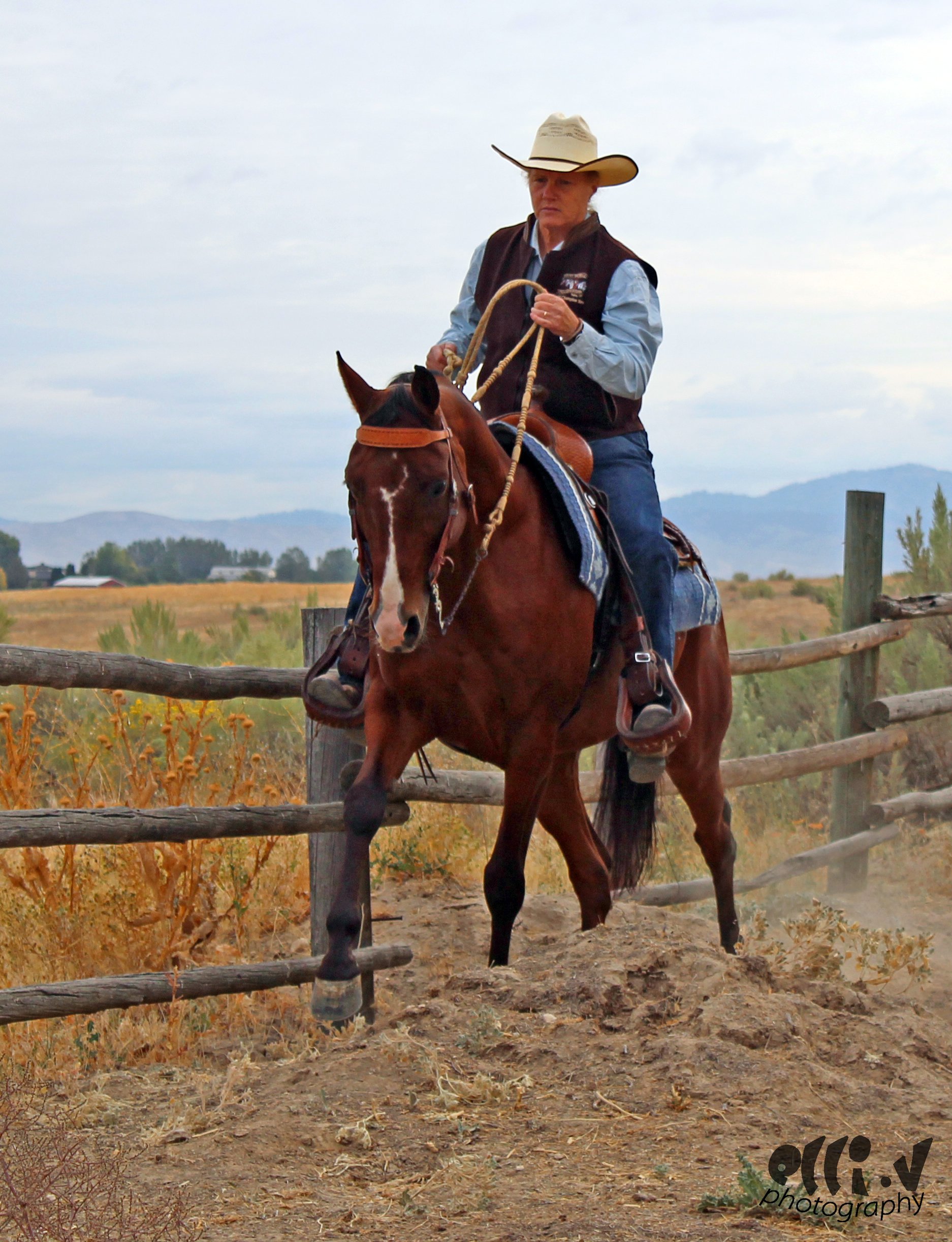
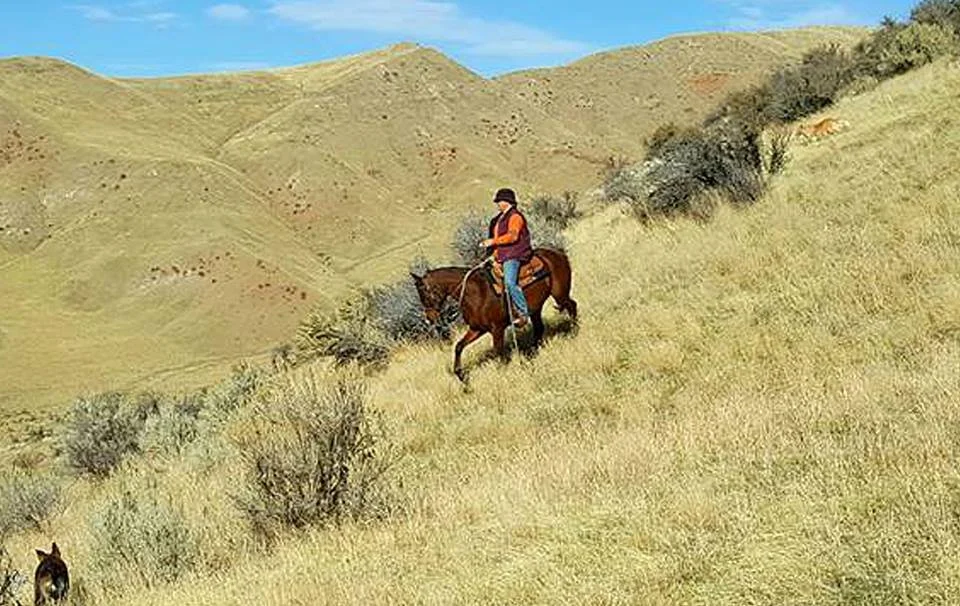
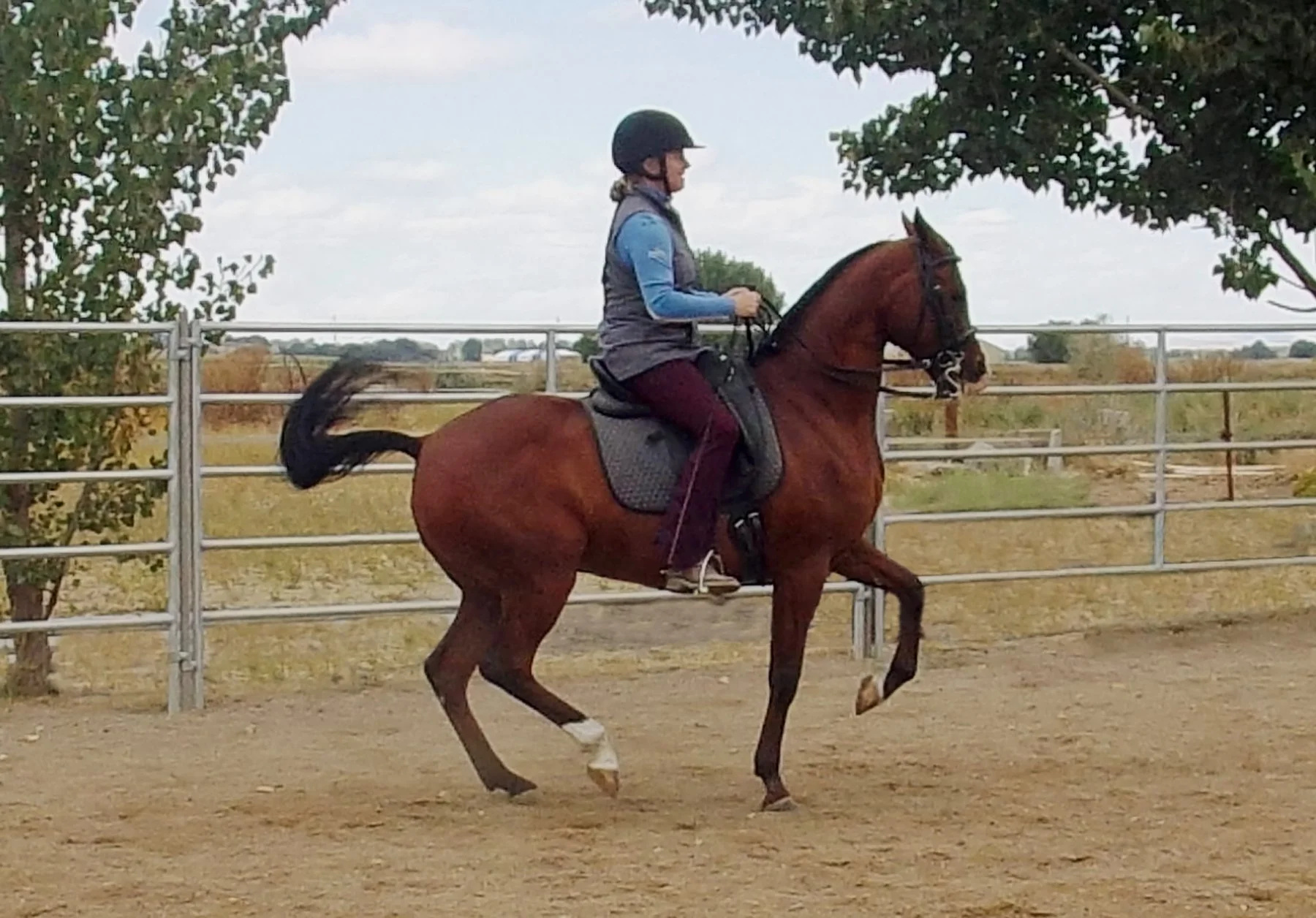
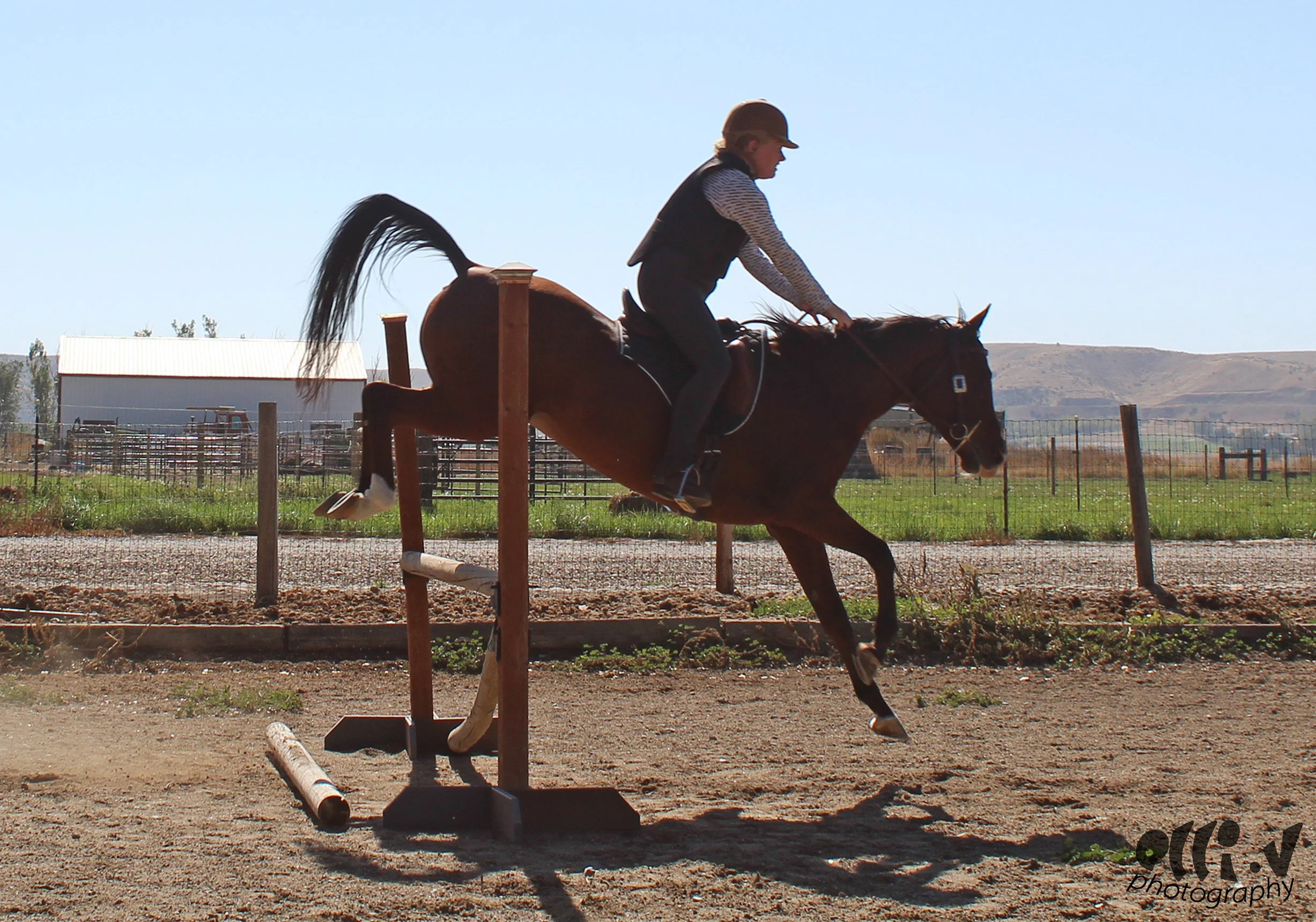
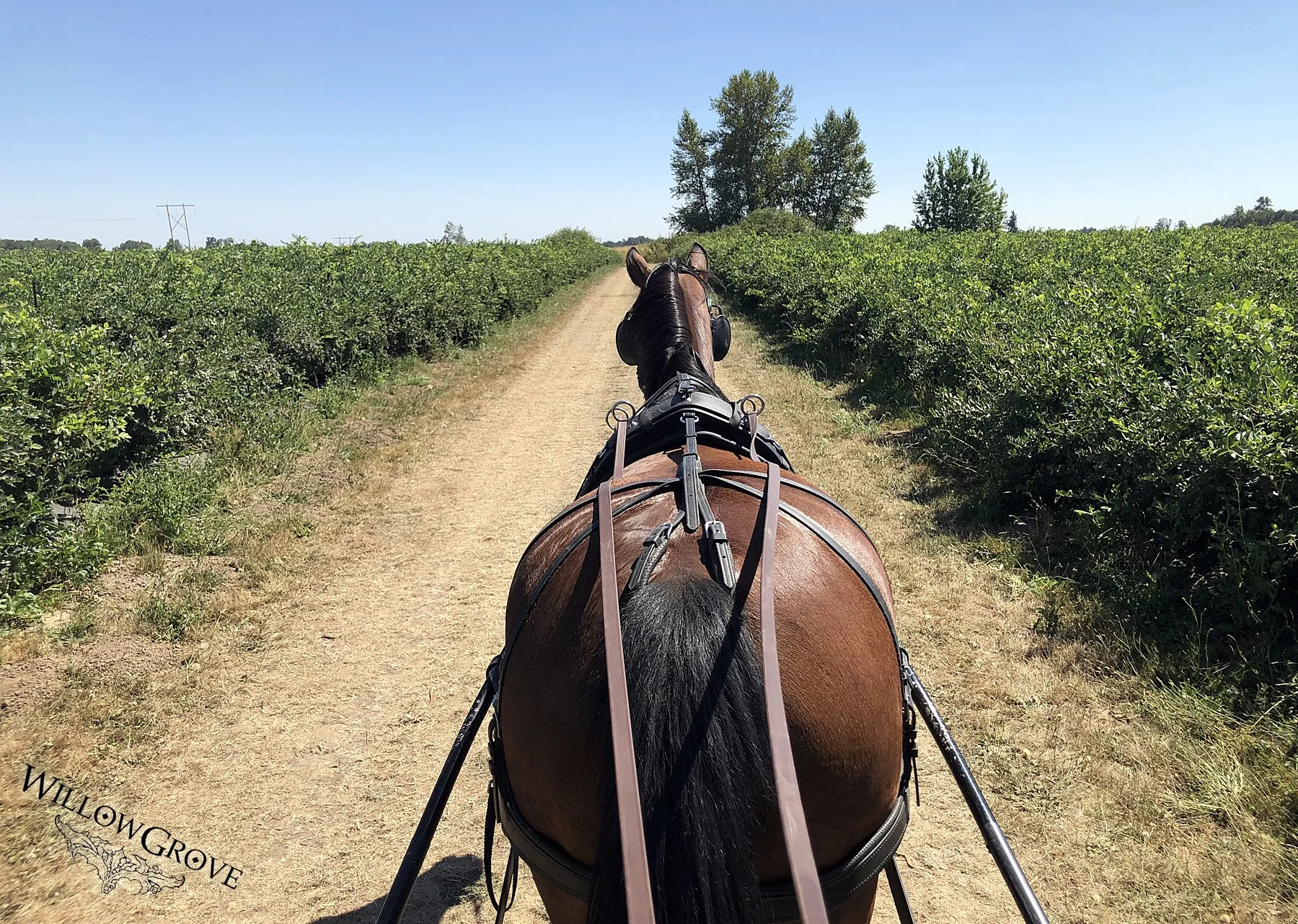
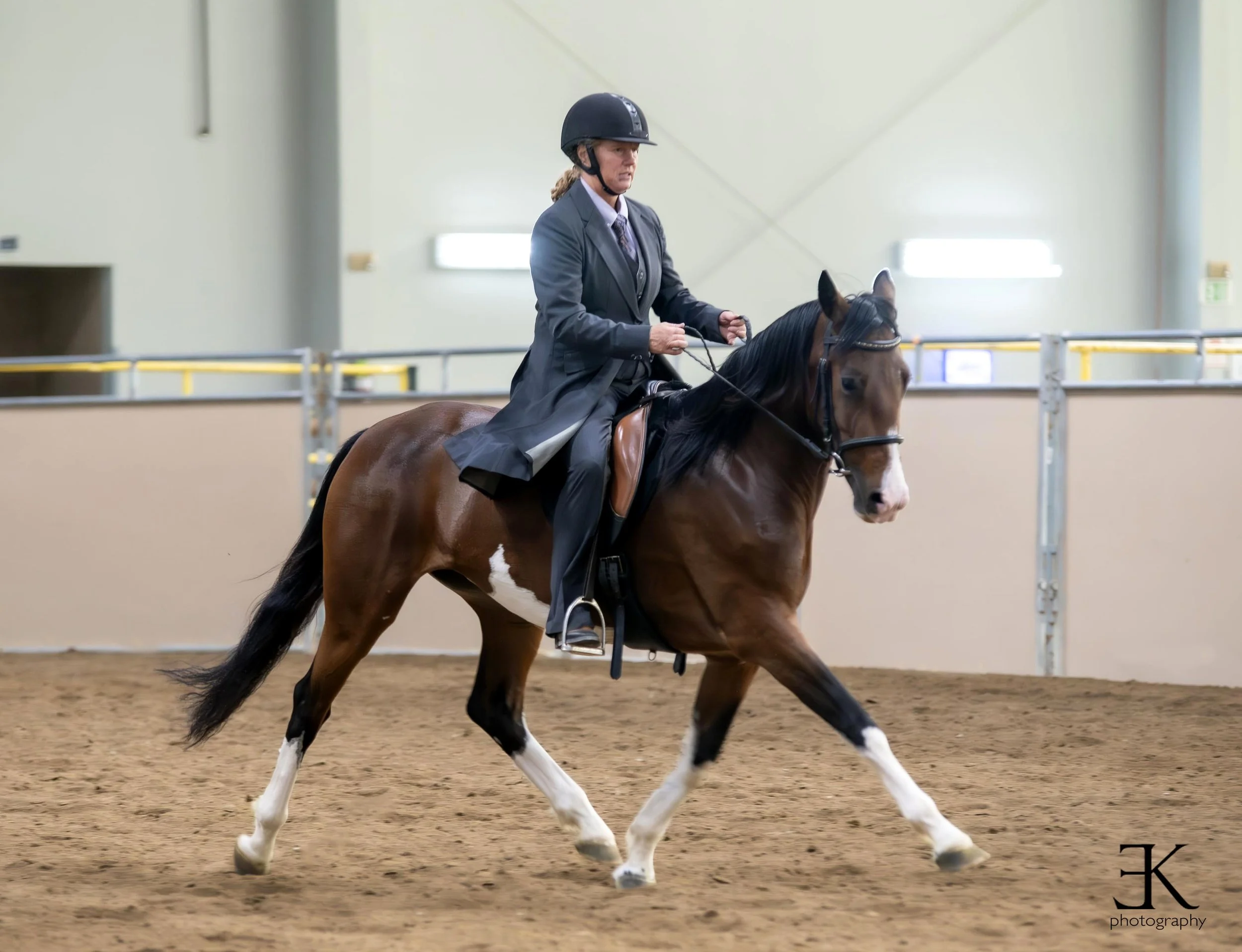
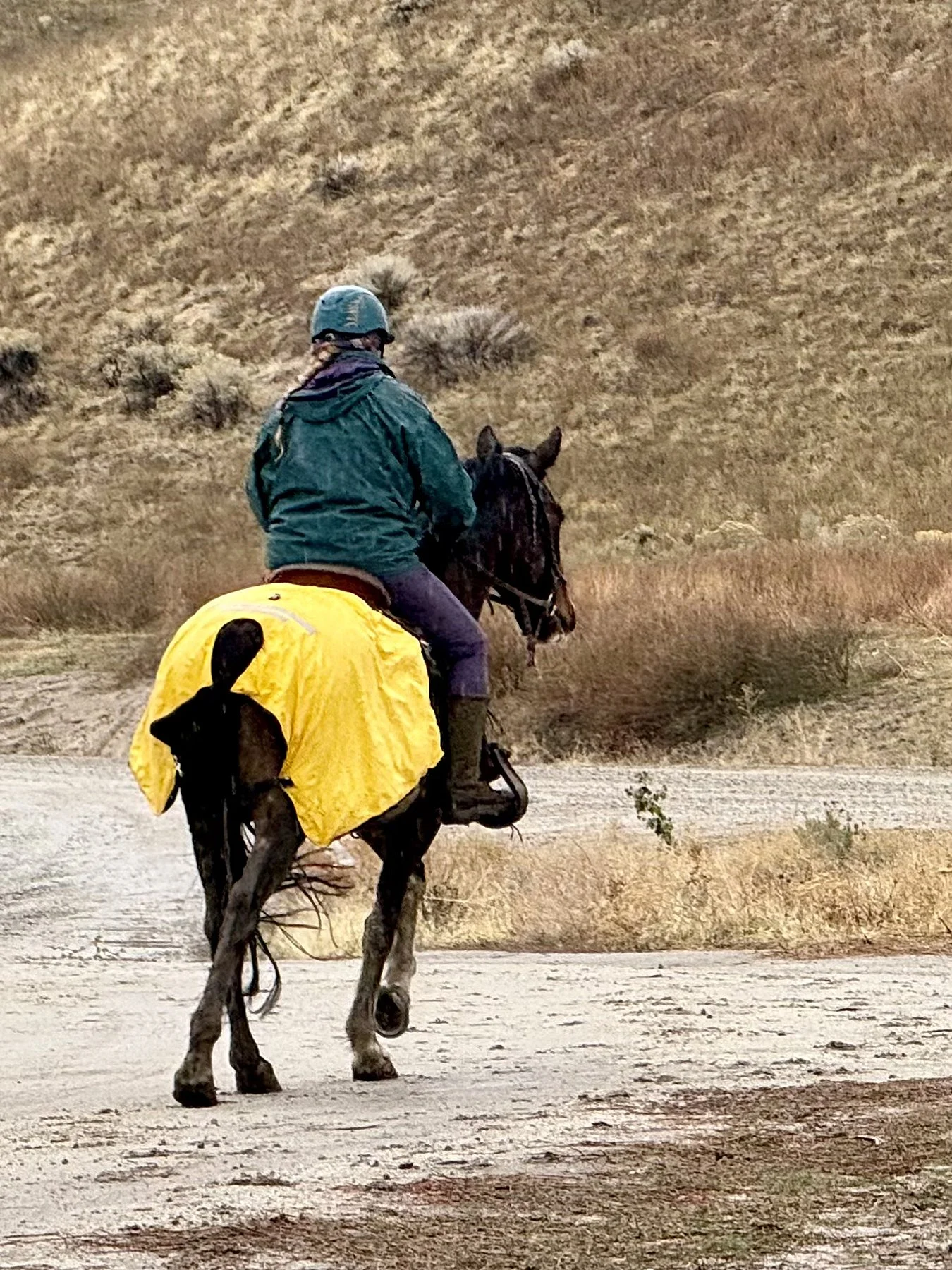
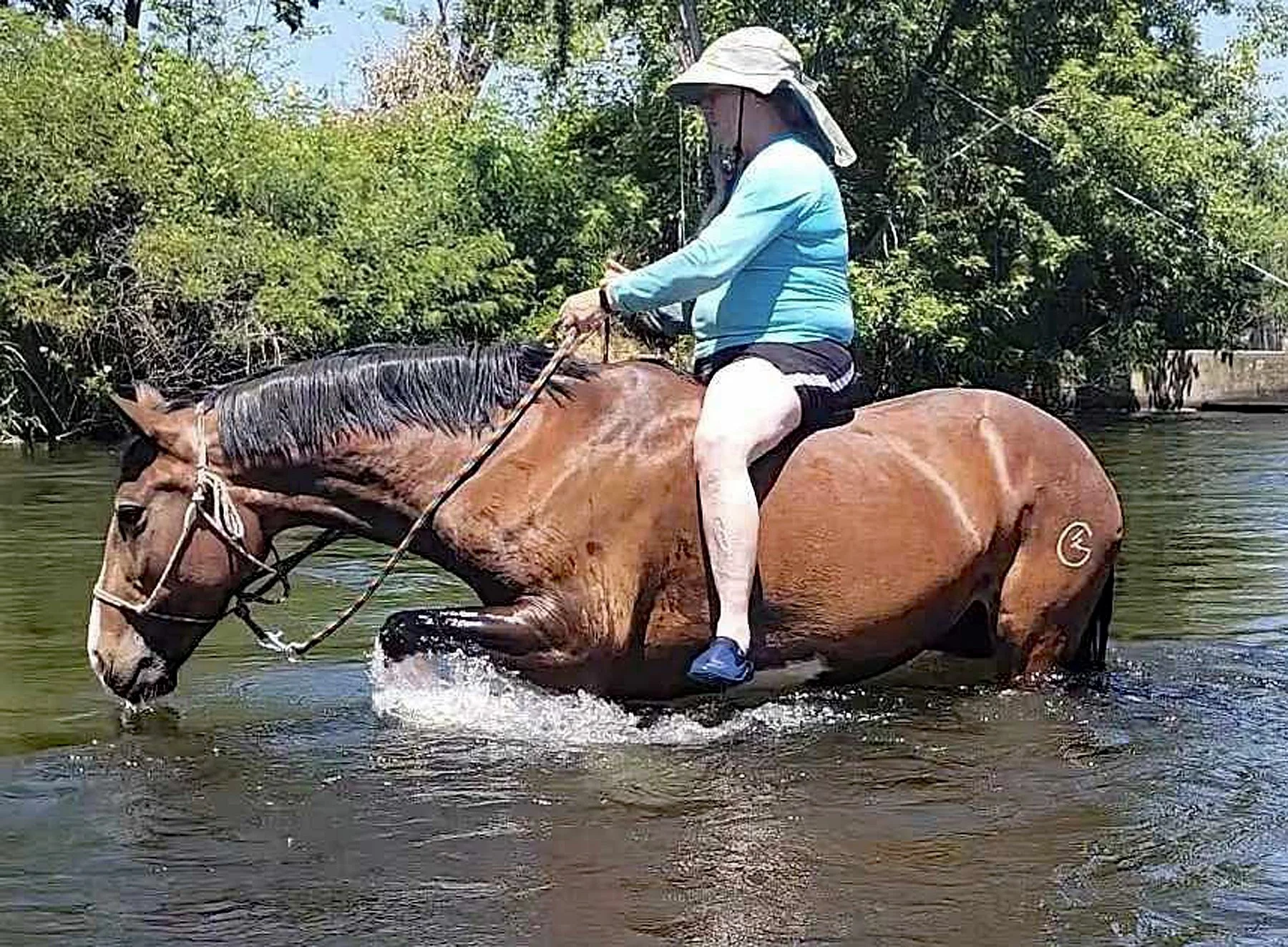
Horses and kids need to 𝙚𝙭𝙥𝙚𝙧𝙞𝙚𝙣𝙘𝙚 𝙢𝙪𝙡𝙩𝙞𝙥𝙡𝙚 𝙖𝙣𝙙 𝙫𝙖𝙧𝙮𝙞𝙣𝙜 𝙨𝙞𝙩𝙪𝙖𝙩𝙞𝙤𝙣𝙨 𝙘𝙤𝙢𝙞𝙣𝙜 𝙩𝙤 𝙖 𝙥𝙡𝙖𝙘𝙚 𝙤𝙛 𝙘𝙖𝙡𝙢 𝙞𝙣𝙫𝙤𝙡𝙫𝙚𝙢𝙚𝙣𝙩 𝙞𝙣 𝙚𝙖𝙘𝙝 𝙤𝙣𝙚. We can be calm and participate in a schooling show, a despooking playday, a friend's house, a trail ride (in differing surroundings), or camping. It's even a different experience for the horse to go to a dressage schooling show versus an obstacle-based schooling show.
If all your horse has experienced is the home environment and one discipline, that's not much situational resilience and doesn't require much in the way of vocabulary. How would the kid in school feel about math all day, every day? They would hate it and horses do too. That's why cross-training can make all the difference. It's interesting, challenges them to learn more, uses different muscles and balance, and broadens your interaction with them.
Differing housing situations can also stretch your horse's tolerance, like pens, open stalls, closed stalls, high-line, in groups, alone, etc. These changes create a versatile mind in a horse that can sort out that he is okay even when things are new.
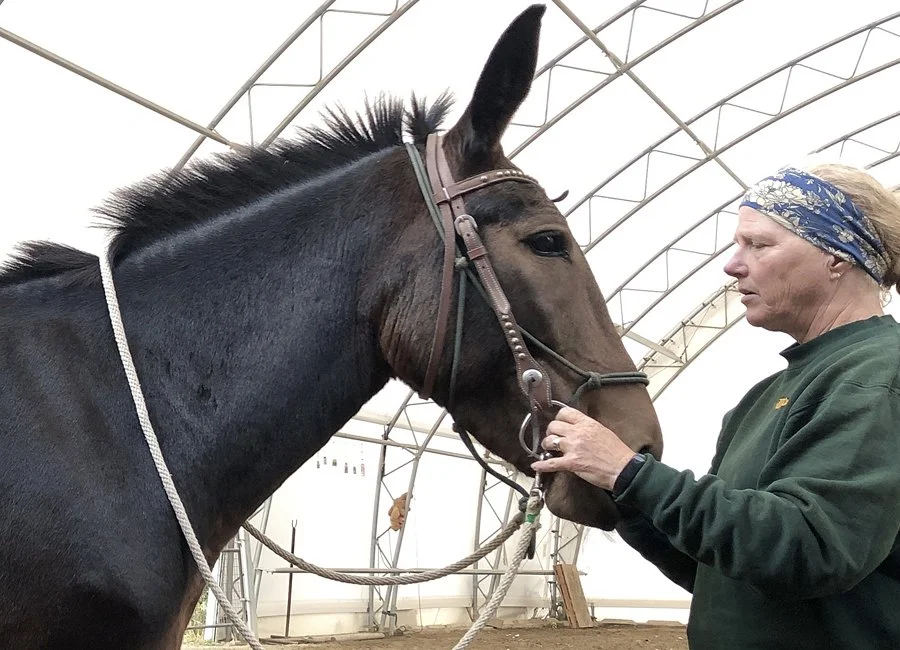
This should be my number 1. Horses and kids 𝙣𝙚𝙚𝙙 𝙩𝙤 𝙠𝙣𝙤𝙬 𝙬𝙝𝙖𝙩 𝙩𝙝𝙚𝙮 𝙣𝙚𝙚𝙙 𝙩𝙤 𝙠𝙣𝙤𝙬 𝘽𝙀𝙁𝙊𝙍𝙀 𝙩𝙝𝙚𝙮 𝙣𝙚𝙚𝙙 𝙩𝙤 𝙠𝙣𝙤𝙬 𝙞𝙩! Whatever it is you want your horse to understand, TEACH them every little detail of your requests. Make sure they are reliable with each piece before you
1. Combine them
2. Expect them to be reliable in their response.
Kids and horses do not like learning as they go and getting in trouble for what they haven't been taught or don't fully understand.
𝘼 𝙡𝙤𝙩 𝙤𝙛 𝙛𝙧𝙪𝙨𝙩𝙧𝙖𝙩𝙞𝙤𝙣 𝙖𝙨 𝙬𝙚𝙡𝙡 𝙖𝙨 𝙖𝙘𝙘𝙞𝙙𝙚𝙣𝙩𝙨 𝙘𝙖𝙣 𝙗𝙚 𝙖𝙫𝙚𝙧𝙩𝙚𝙙 𝙞𝙛 𝙩𝙝𝙚 𝙝𝙤𝙧𝙨𝙚 (𝙖𝙣𝙙 𝙩𝙝𝙚 𝙧𝙞𝙙𝙚𝙧) 𝙝𝙖𝙫𝙚 𝙖 𝙗𝙧𝙤𝙖𝙙 𝙚𝙡𝙚𝙢𝙚𝙣𝙩𝙖𝙧𝙮 𝙥𝙧𝙤𝙜𝙧𝙖𝙢. And by elementary, I don't mean easy. I mean the things y'all need to know to communicate fairly, have a healthy horse, and an interaction where both of you are engaged as a team.
Connection, relaxation, communication, understanding…love